One does not come to the Ningaloo Coast for a pool with better fish, so the safety guidelines here are for a reason. In brief: be sensible about your site, have a buddy, put in some effort to respect the sun and stings and the currents, do not stand on coral or go after wildlife. Do that and you will have a safer day, as will the reef.
I am Mia Rawlings. You learn things when you work with people who have a habit of underestimating the heat and their own skin. The small practicalities are what make or break your day. Overconfidence is the source of most trouble on this coast, as is bad timing or a piece of gear that was “good enough” in the car park but becomes a nuisance when you are being pushed sideways by the water.
An Early Appraisal Of The Risks
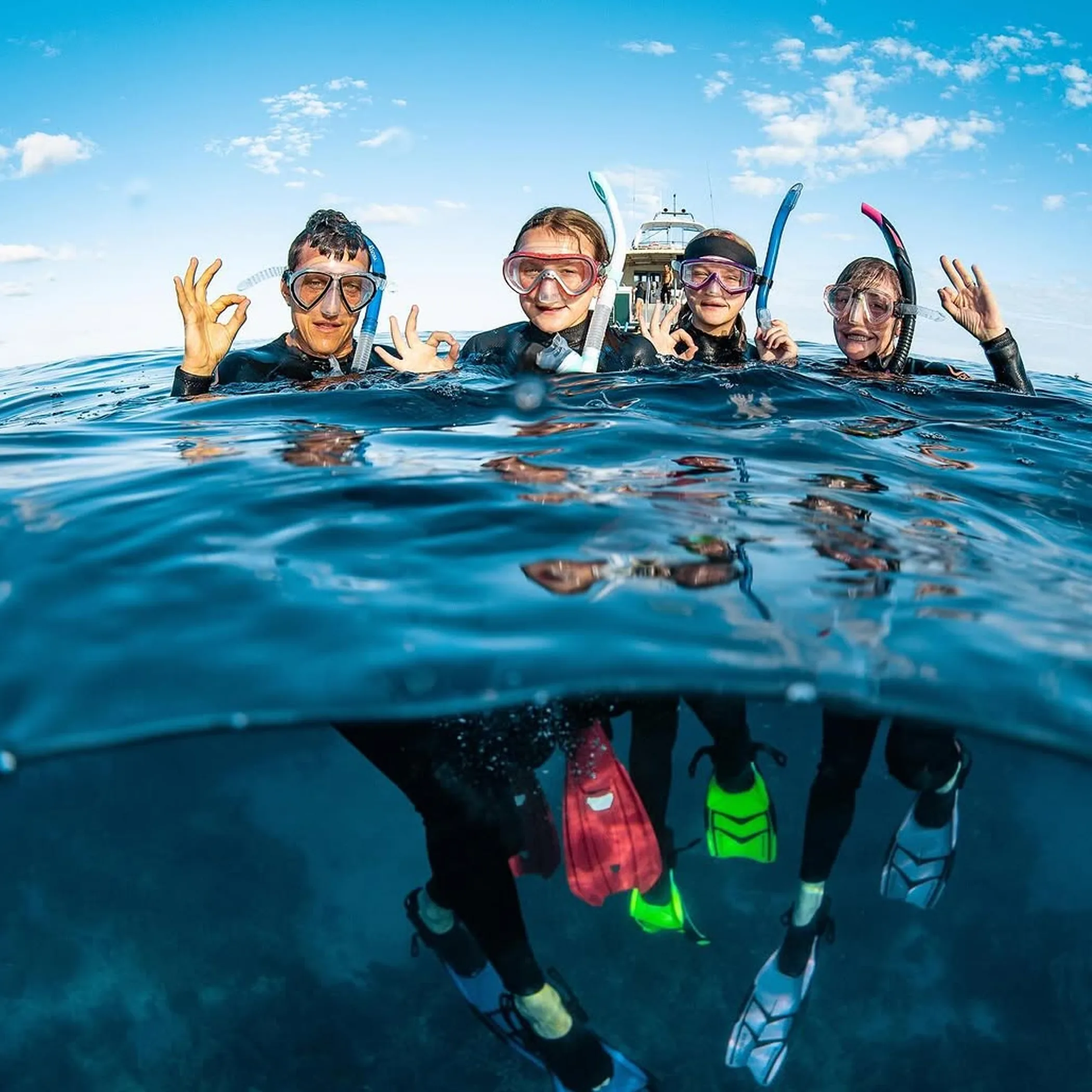
Ningaloo is a forgiving place but it has no time for fuss. From the shore the water may appear as flat as a pancake yet there is plenty of movement in the tides and currents below to catch you unawares.
Do not put the question to yourself as to whether you can snorkel today; ask if the site in question is suited to your confidence and fitness. It is a minor change of perspective that precludes a good deal of drama, in particular at the more exposed drift sites.
Who Should Be Reading This
The intent of this guide is to give independent travellers, families, the seasoned and the first-timer with some water confidence straight talking on Ningaloo Reef safety, none of the brochure stuff. If you are not a confident open water swimmer, get flustered when your mask floods or are convalescing from an illness or the like, then it is probably not for you.
Reality Check
There is a tendency to think that because the reef is well known and sees its share of visitors, a trip to the Marine Park will be all gentle. The truth is some of these places are rough as guts in the wrong conditions and the conditions have a way of altering over the course of the day.
People also make the error of thinking any beach entry is the same. The logistics, depth and current patterns are different at Turquoise Bay, Oyster Stacks and Coral Bay, as are the decisions one has to make to exit.
Leave With Your Eyes Open
Your holiday mood is less important than the swell, wind and visibility when you set out from Exmouth or Coral Bay. If you are short of time, there is no point in being stubborn and putting up with poor conditions. Stay dry and let the reef be for another day.
Notices And The Weather
Take note of what the park managers in Cape Range National Park have to say before you go. An 8 o’clock morning can turn choppy and murky in the late hours with a bit of breeze.
For marine warnings and a proper forecast I would look to the Bureau Of Meteorology. My own rule is if the weather and visibility seem marginal on the screen they will be worse when you are in your fins on hot sand.
Tides Will Dictate The Session
At Oyster Stacks high tide is usually the time to be for ease of access and to avoid damaging the shallow coral. At a drift site your timing will determine if you can get out where you meant to.
Be realistic about how long it takes to park, put on the sunscreen, see to the gear and find an uncrowded spot to enter. In the peak of the holidays a quick snorkel is not always quick.
A Word On Local Rules
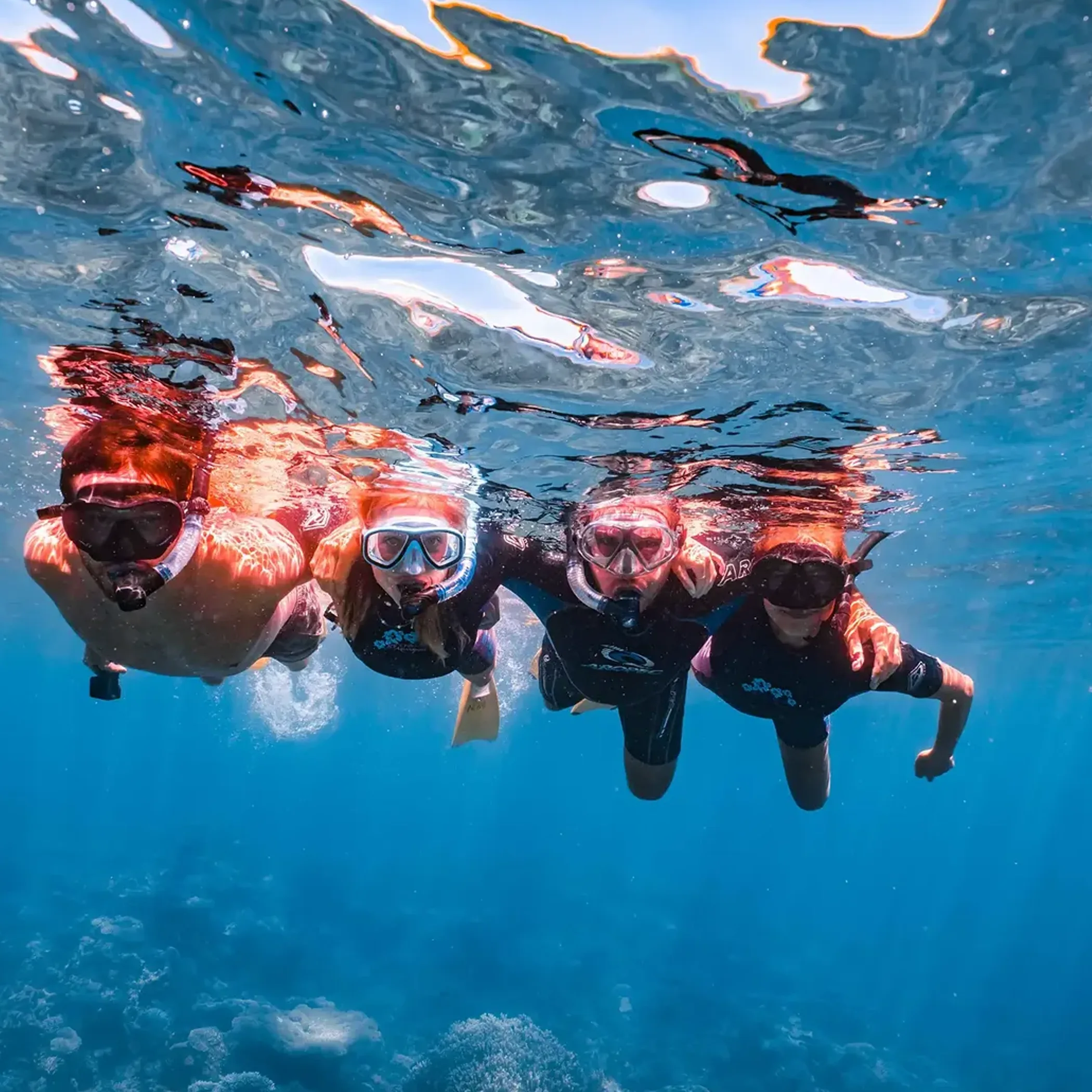
They are not intended to take the enjoyment out of it. But coral is fragile and wildlife will be put out by those who view the reef as nothing more than scenery and act accordingly.
Information is key as to what is allowed in protected zones or where there are temporary changes in access. Put aside what a friend told you of his last trip or something you saw on social media. After all, much of the popular shore side of the Ningaloo Reef is accessed via the Cape Range National Park. There can be rules to abide by in the way of visitor numbers, conservation and entry conditions, a matter of how busy things are and your location. For up to date park advice and on access, put the Department of Biodiversity, Conservation and Attractions (DBCA) and Explore Parks WA at the top of the list. Should you find a site is closed or under capacity management, or has been deemed unsuitable, do not attempt to circumvent the sign.
Parking And Logistics
A good number of Cape Range sites are no place for a casual pop-over from Exmouth; it will be a drive. Make sure you have the fuel, water and daylight to make the return, with phone battery to spare if you are putting in several stops. Standard vehicles will find the roads to the main day-use areas unproblematic enough, though the heat makes for longer distances.
Coral Bay is where one might opt for a tour to have boat entry and site selection done for them, a wiser move for those new to it or in search of some wildlife with a guide. As for cost, it is hard to put a figure on but an independent shore snorkel will be less expensive than a wildlife or reef tour by boat which can run to several hundred AUD per head.
Get Your Gear Right
Do not be fussy about the fit of your snorkel gear. When it is not right you end up in a cycle of fatigue and panic, stopping to swallow water while all around you everyone is perfectly at ease. It does not have to be the fanciest kit, provided it is up to the conditions, seals and clears without trouble. Sun protection is as important as the mask.
Some Core Kit
- A mask that will not leak on a gentle nose inhale and need not be overtightened to seal.
- A comfortable snorkel for easy clearing.
- Fins that match your strength and the point of entry, be it for a long swim or to deal with current.
- A rash guard or stinger suit to ward off the sun and any marine stingers in Ningaloo.
- Reef-safe sunscreen for any skin left exposed, put on well in advance of getting wet.
- And for after the swim, dry clothes, a hat, towel and water.
What Catches People Out
One can stand before a bathroom mirror and think a mask is fine, only to have it fog or press in an odd way 15 minutes into the salt water. Fins that were no trouble in the car park are another story when you are making your way out over sand or rock. For the novice, it is worth practising on the snorkel in the shallows. Open water has a way of turning the most mundane thing into a technical exercise.
The Right Entry
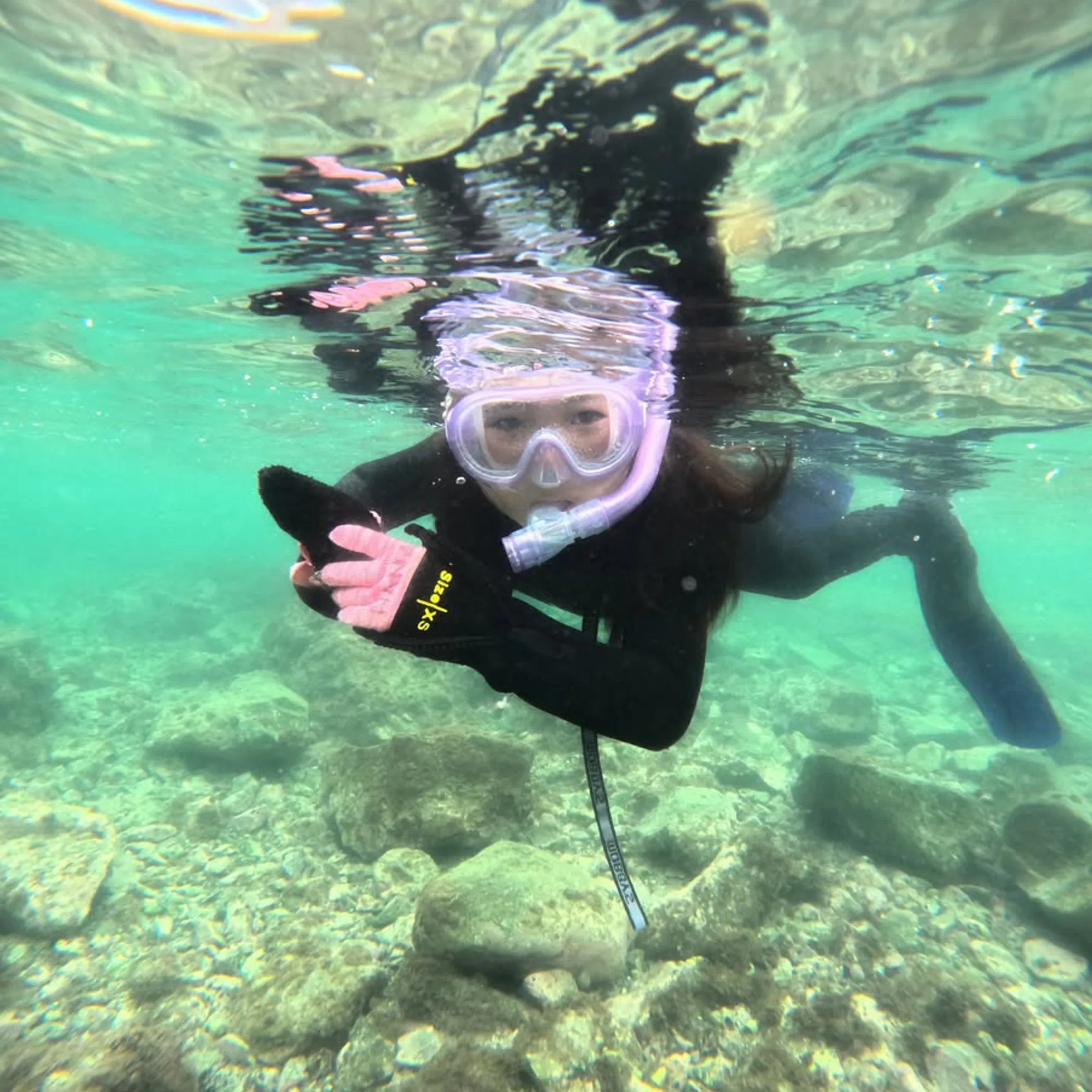
You cannot equate a safe boat entry with a beach one. Some would find a calm drop from a boat in deeper water preferable to a shoreline that is shallow and surgey with coral rubble. The best snorkellers are not the ones showing off; they are the type to put in a few minutes watching the water and form an opinion on whether the exit and entry are to be had.
Beach Entry
Take your time at the shore and mind your footing. Where the substrate allows, shuffle and keep the sand from other people’s faces. Do not put your weight on coral. If there is a surge, wait for it to subside. On the way out, conserve what energy you have for the walk back up the beach, for that is when one is prone to make poor choices.
Boat Drop
In the Coral Bay area and elsewhere with tours, the operator will give you the low down on depth, wildlife, the current and how you will be picked up. Pay attention. There is no need for the stress that comes from having half-listened to the instructions while preening with a GoPro. Boat entries are also for those not so sure of themselves on an uneven shoreline, but you must be at ease in deeper water and heed the crew.
Current And Drift
Done right drift snorkelling is excellent. You can be put on a faster pace than you think if you are too occupied with the turtles to notice where you are going. Extra care is called for with Turquoise Bay safety; it is as much of a talking point on the Ningaloo Coast as it is a spot for the uninitiated to get in a tangle.
At Turquoise Bay
Know the route at the classic drift section before you go in. Let the current take you past the edge of the reef from the point of entry and leave where the signs and locals say to. Do not let yourself be carried on because the fish are still good, you will overshoot the safe exit. Be sure to respect strong currents, as Turquoise Bay safety warnings highlight past fatalities in this area.
The error of most at Turquoise Bay is to make a start when the day is well advanced, in a stronger wind and with the sun having taken its toll. Should you be limited to one day and have to put your priorities in order, an early visit to Turquoise Bay will give you the best of it; make the initial drift a short one and see how you go before having another go at it.
Oyster Stacks And Coral Bay
You will find Oyster Stacks for the up close marine life on offer, but being a shallow and sensitive spot, the tide is something to factor in. There is no room for poor control or long fins to flail about here; one needs good buoyancy and to move with some decorum.
As for safety at Coral Bay, it is a matter of whether to opt for an easy shore snorkel or put in a booking for a tour. A beginner may find it more accommodating than certain Cape Range National Park snorkeling sites given the ease of access, though visibility and wind will have their say.
Quick Site Comparison
Handle Wildlife Calmly
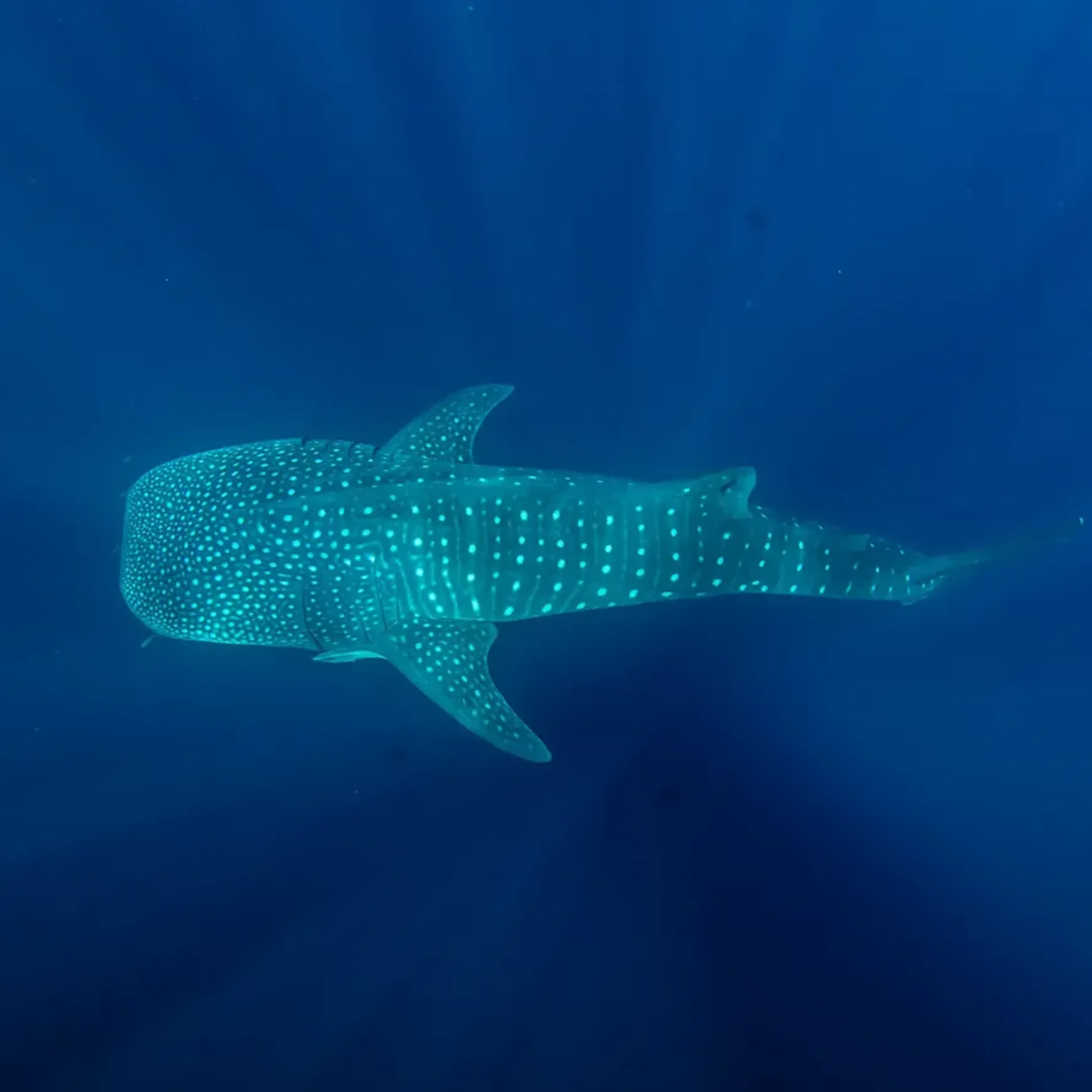
Wildlife is what brings you there but do not expect it to put on a show. The way to be safe around sharks is to remain calm and not put on the manner of a baitfish in a panic. Give them room. Turtles, whale sharks, rays and the like require nothing less than predictable behaviour. Let something large glide by without putting an arm round your friend for an underwater embrace or impeding its progress.
Sharks, Rays And Turtles
A shark sighting should not unnerve you. Keep it in sight and put some distance between yourself and the animal by making for the boat or shore in a steady fashion. You are not to pursue or corner it; while non-aggressive, reef shark encounters are best kept brief and you must be the composed one. Erratic flashing in the sun from jewellery or anything highly reflective can be inviting to them, so leave it. Contrast and sparkle will get noticed. Better to be smooth than dramatic.
Whale Shark Tours
Swimming with whale sharks off Ningaloo Coast is under the auspices of licensed operators who are strict on interaction. Heed the briefing and keep your distance, do not make a dash over the top of it for a better vantage point. It is a familiar sight to guides each season: a swimmer who has misjudged his speed gets in a tangle once the whale shark is gone. Tell the crew if you are not up to strong swimming and they will put you where you should be.
Protect Your Health Properly
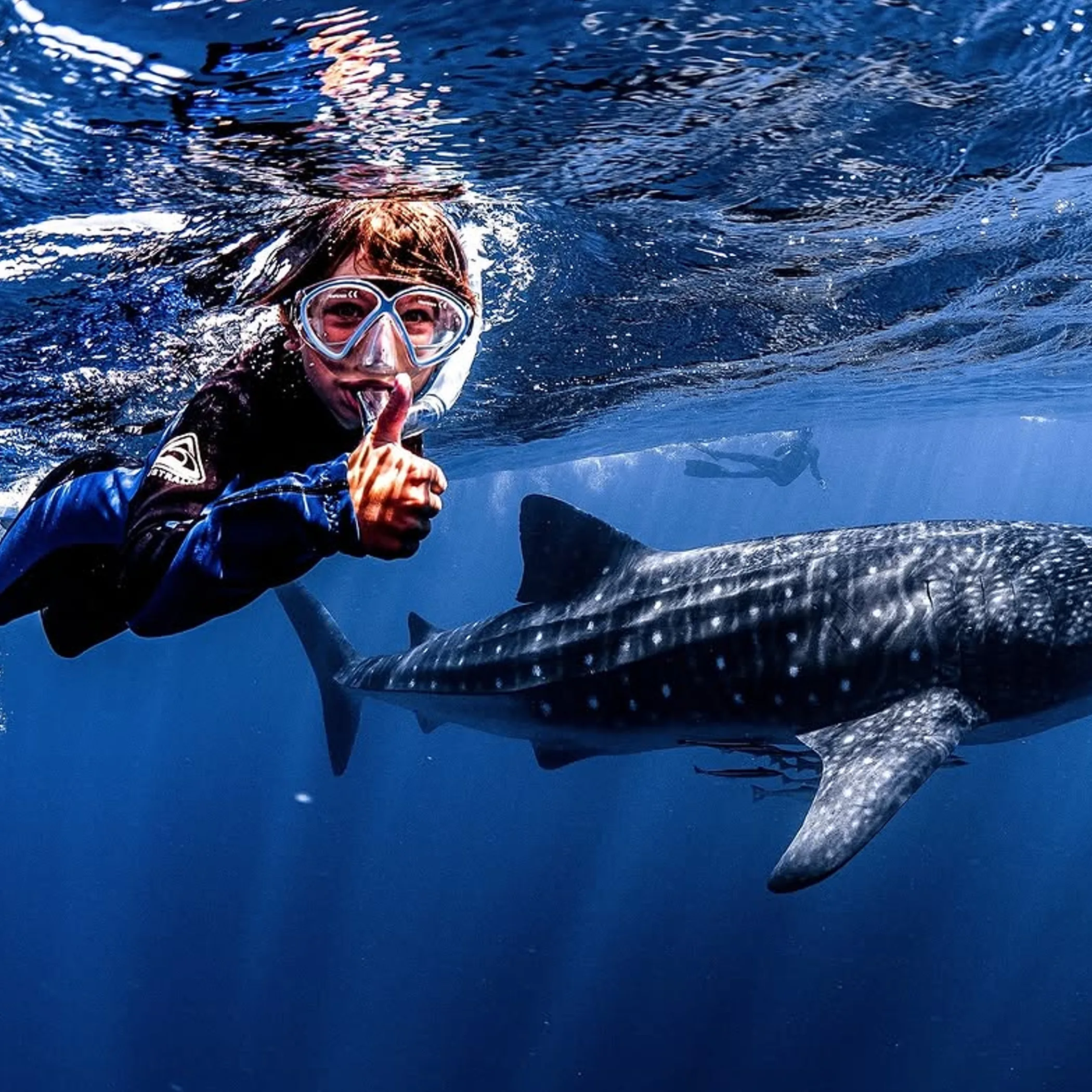
It is the unremarkable risks of stings, dehydration and the sun that put paid to a day far more often than any run in with wildlife. A skin therapist would tell you the UV reflection, salt and wind after a long session in the water are unforgiving; you might be in fine fettle coming out of it only to feel like a tomato in the morning.
Sun And Heat
Apply some reef-safe sunscreen to what is exposed yet a rash guard or stinger suit, a broad-brim hat and time in the shade and keeping hydrated will do more for you than a liberal coating put on in the car. If heat stress sets in and someone is headachy, vague or nauseous, call it a day. Not worth it for a fish.
Marine Stings And First Aid
Even a small sting can spoil a nice swim in a hurry and the risk of stingers on Ningaloo is seasonal. So be prepared with basic first aid. Put a kit in the car and be sure of where help is to be found. Should symptoms warrant it, get out of the water without fuss, do not rub it and get the site’s assistance. Urgent attention is called for in the event of a severe allergic reaction, dizziness, any difficulty with breathing or pain that is all over.
Be Gentle with The Reef
There is a conscience to reef etiquette and it is also a matter of safety. Good form when floating means being mindful of where your fins and knees are and holding your distance; in doing so you are as much protecting the reef as you are yourself.
The habitats at Ningaloo can be hardy but they are also very susceptible to damage. And coral is not going to be sympathetic if you have put it in harm’s way in an effort to adjust your mask.
Conservation Habits
Respect the protected marine zones and the rules that go with them, irrespective of whether there is anyone on hand to see it. Do not feed the fish or put hands on coral, give wildlife its room and maintain a horizontal position.
Your buddy is there for the reef as well. A good one will see you tiring more than you think or becoming preoccupied near some coral, or drifting into shallower water.
A Day Plan That Works
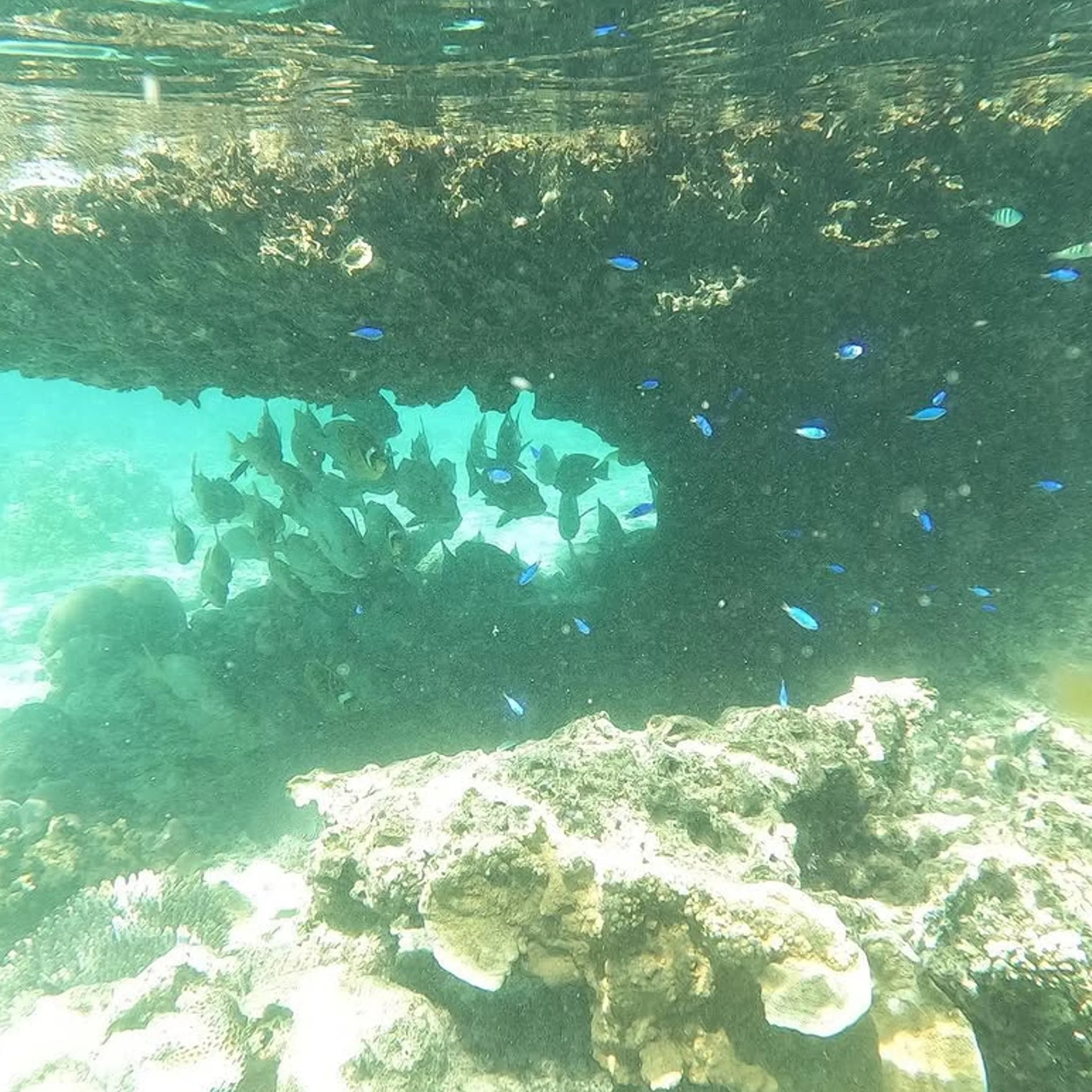
You may find a safe day is less romantic in theory but preferable when you are living it. Put some slack in your schedule along with provisions of food and water, some shade and a contingency. I have been guilty of the error of trying to fit in “one more spot” on a windy afternoon and what follows is a case of irrationality in the car park brought on by hunger and a foul temper, not to mention the sand on your feet.
One-Day Safety Flow
- Before you set off, make sure you have read the local park notices and the weather and marine outlook.
- Have a snorkel site in mind and a backup with easier conditions.
- An early arrival will mean calmer water and you will not have to contend with the crowds or parking.
- Once there, put in a few minutes to watch the water and make out your exit.
- Test the current and visibility with a short first foray.
- Reassess before you are fatigued, do not make another round of it.
Mia’s take
Nothing dramatic about the soundest safety guidelines on the Ningaloo Coast. They are the unassuming habits that make for a good day: the right gear and site, use of the buddy system, respect for tides and currents, and conserving enough energy to get back to the car.
Ningaloo has a way of putting you in your place and in a fine way at that. But do not let it have your common sense for the trouble. Be prepared and get there early. If the water is telling you no, then heed it.
Frequently Asked Questions
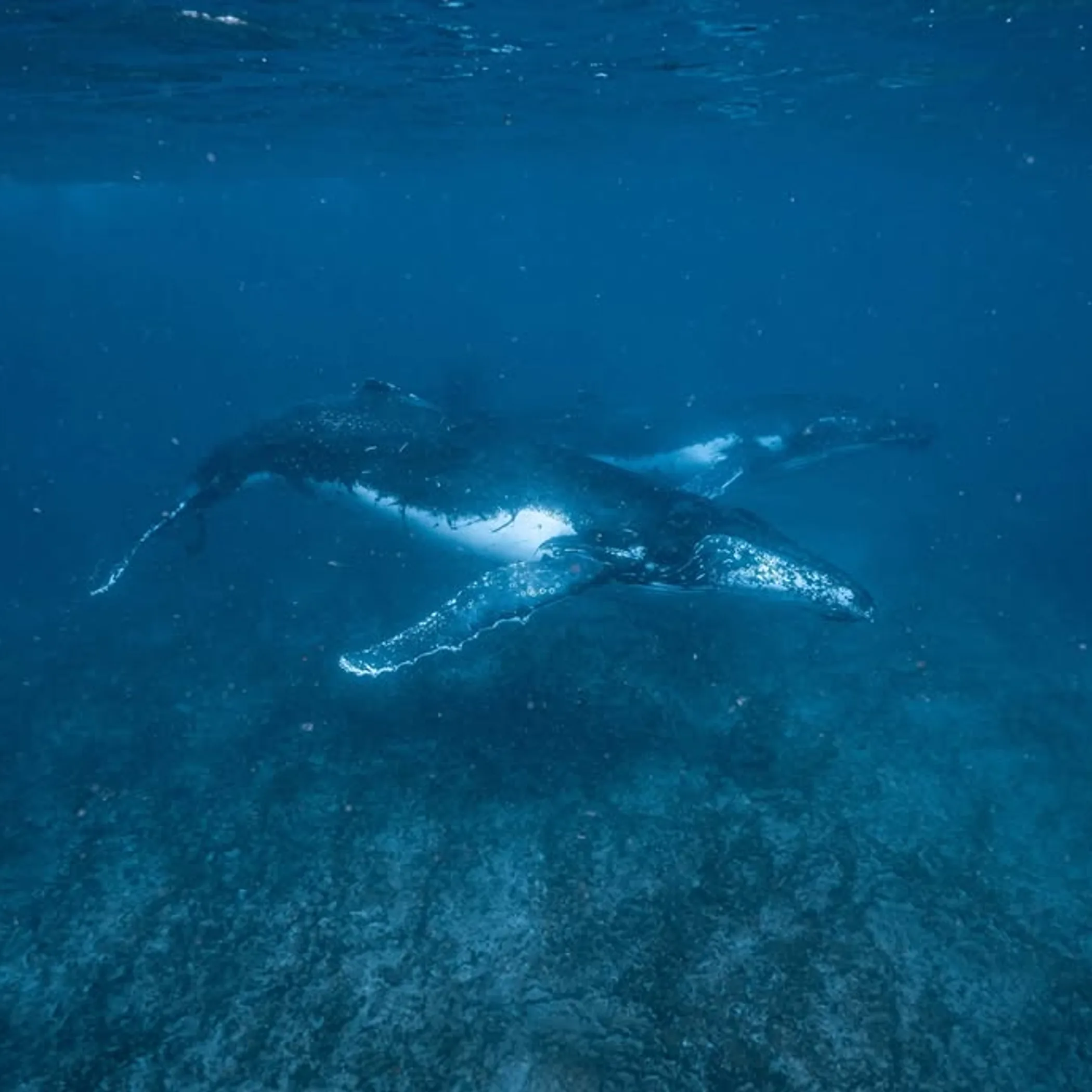
Travellers have these queries time and again, perhaps from watching too many polished videos and wanting some substance.
What if a shark comes at you?
Do not flail about. Face the animal and make your way in a measured fashion to the boat or shore or with your group. There is no point in panicking and attempting to outswim it or corner it. Calmness reduces risk and most such meetings on the reef are short.
Any colours to steer clear of?
For the sake of shark safety a sensible option is to forgo the flashy, highly reflective jewellery and anything with a lot of sparkle in the sun. You will not be guaranteed safety by shunning a particular colour but muted gear is the way to go.
Where would one best snorkel?
That is a question of ability. For the novice Coral Bay is a better bet for access. Oyster Stacks is fine for seeing shallow marine life at the proper tide. In the right conditions an experienced drift snorkeller will want to be at Turquoise Bay.
What should be avoided?
Snorkelling on your own, poor visibility, touching coral, pursuing wildlife and overstaying your welcome once you are done with it. And do not make the mistake of forgoing water and shade because the swim is not going to be long.
Is a guide necessary?
Not in every case. Those who are not strong swimmers or lack confidence in the conditions are well served by a guided tour. But if you have planned accordingly and the site is to your experience, you can be independent when things are calm.
Related reading: Ningaloo reef habitats.
