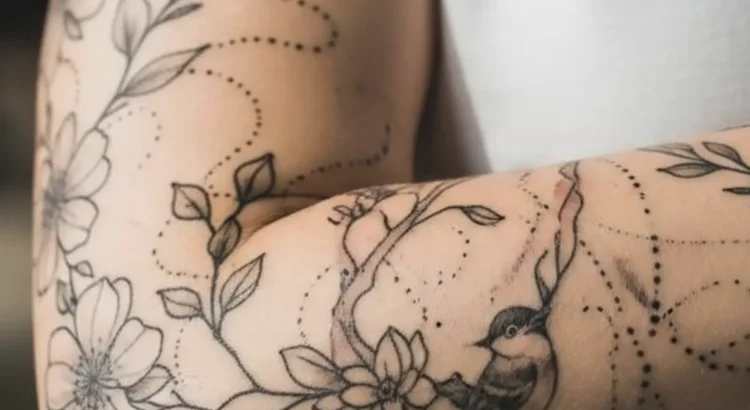
Theres a question that keeps popping up in my inbox and it goes a little something like “is there any nationally standardised fine-line tattoo qualification in Australia?” thats the exact words most clients and new artists use when they get in touch – and Im Olha Po, working at Cosmetic Tattoo Studio Melbourne Face Figurati every day, so I totally get why this topic is confusing people – on the outside it looks like the industry is all very structured but when you scratch beneath the surface there’s a whole lot of nothing going on.
Listen, when clients are thinking about getting a tiny tattoo done, or artists are interested in doing a fine line tattoo course, they deserve some straight-up answers – not some online hoopla or some sales pitch.
Contents
- 1 The Reality of Fine Line Training
- 2 What States Actually Regulate
- 3 How This Affects Clients Looking For Skilled Artists
- 4 What Students Need To Know Before
- 5 Why Fine Lines Age Differently
- 6 Why The Industry Might Benefit From Standardised
- 7 How To Make Safe Choices As A Client Or Student
- 8 A Closing Note From The Studio
- 9 FAQ
- 9.1 Is there a nationally recognised certificate for fine-line tattoos?
- 9.2 Are cosmetic tattoo qualifications the same as fine-line tattoo qualifications?
- 9.3 What should I look for in fine-line training courses?
- 9.4 Do I need an infection prevention certification to tattoo?
- 9.5 How can beginners choose the right training provider?
The Reality of Fine Line Training
People tend to imagine that fine, delicate work is supported by a nationwide system – something all neat and predictable. But let’s be real – it’s just not the case. In Australia, there’s no central authority overseeing artistic tattoo education. The health departments are only concerned with making sure everyone’s following the rules on hygiene and skin penetration – how your lines heal or fade isnt really on their radar.
And that actually matters a fair bit because fine line work behaves differently from bold tattoos, and artists need more than just a piece of paper to get it right. That’s why the lack of national structure places responsibility on the training provider, the artist, and the client, who has to choose them.
What States Actually Regulate
Most people are pretty surprised to learn that the main thing the government is interested in is making sure people aren’t dying from their tattoos – so the legal requirements for tattooing are all about preventing infection and safe handling of equipment and cross contamination – but the actual art of tattooing? No one’s really regulating that. If you’ve ever searched for lip neutralization near me, you’ve seen how much emphasis is placed on hygiene.
Here’s a snapshot of what states require:
| State / Territory | Legal Requirement | Artistic Qualification? |
|---|---|---|
| VIC | Infection Control HLTINF005 + council registration | ❌ None |
| NSW | Infection Control HLTINF005 | ❌ None |
| QLD | Tattoo licence + criminal history check | ❌ None |
| WA | Local government approval | ❌ None |
| SA | Business registration + hygiene compliance | ❌ None |
| TAS | Local council approval | ❌ None |
| NT | Health department registration | ❌ None |
| ACT | Personal services licensing | ❌ None |
As you can see, hygiene is regulated, but skill development is not.
That is why choosing the right artist or teacher goes beyond checking whether they hold a certificate.
How This Affects Clients Looking For Skilled Artists
When there isn’t a standard qualification to rely on, what really matters to clients is seeing some actual evidence of skill: quality work that looks as good several months down the line as it did on the first day, consistency, and an honest artist who doesn’t promise the world. So whether you’re after someone for cosmetic tattoo services or a design like a lip liner tattoo, what counts is how well their results hold up in the long-term, not just on the first day.
At our studio, Face Figurati in Melbourne, we tell our clients to look for:
- Healed results from 3 to 12 months past the initial work.
- Consistency in the quality of the work across different skin types.
- A clear explanation of what can and can’t be achieved, and the potential outcomes you can expect.
- Evidence of expertise, rather than just some basic training.
If an artist is keeping their healed work under wraps, that’s a cause for concern. A good artist knows that fine lines are affected differently by age, and you should get a look at how well their technique holds up in real life.
What Students Need To Know Before
There’s no single national qualification in this field, which means the training courses out there can vary widely in quality. Some schools focus more on the theory, while others concentrate on getting you into the chair and actually tattooing. Some offer ongoing mentorship, while others give you a certificate after a single day and no hands-on supervision.
If you’re thinking about studying – especially if you’re dreaming of getting into cosmetic tattooing or offering more advanced services – here’s the real low-down:
The thing to look for in training is:
- Healed portfolios from past students that actually show what they’re capable of.
- A good old-fashioned demonstration on live skin, not just a video.
- Some hands-on training where you get to practice what you’ve learned.
- Some guidance on how to troubleshoot common issues when things go wrong.
- A proper education on how lines and pigment behave with time.
- Safety training that goes beyond just “keep yourself and your client clean”.
Something I always tell aspiring artists is this:
You can’t get a feel for line stability from just reading about it – you need to get your hands dirty.
Any course that doesn’t get you in the chair and practising what you’ve learned isn’t going to prepare you for the realities of tattooing.
Why Fine Lines Age Differently
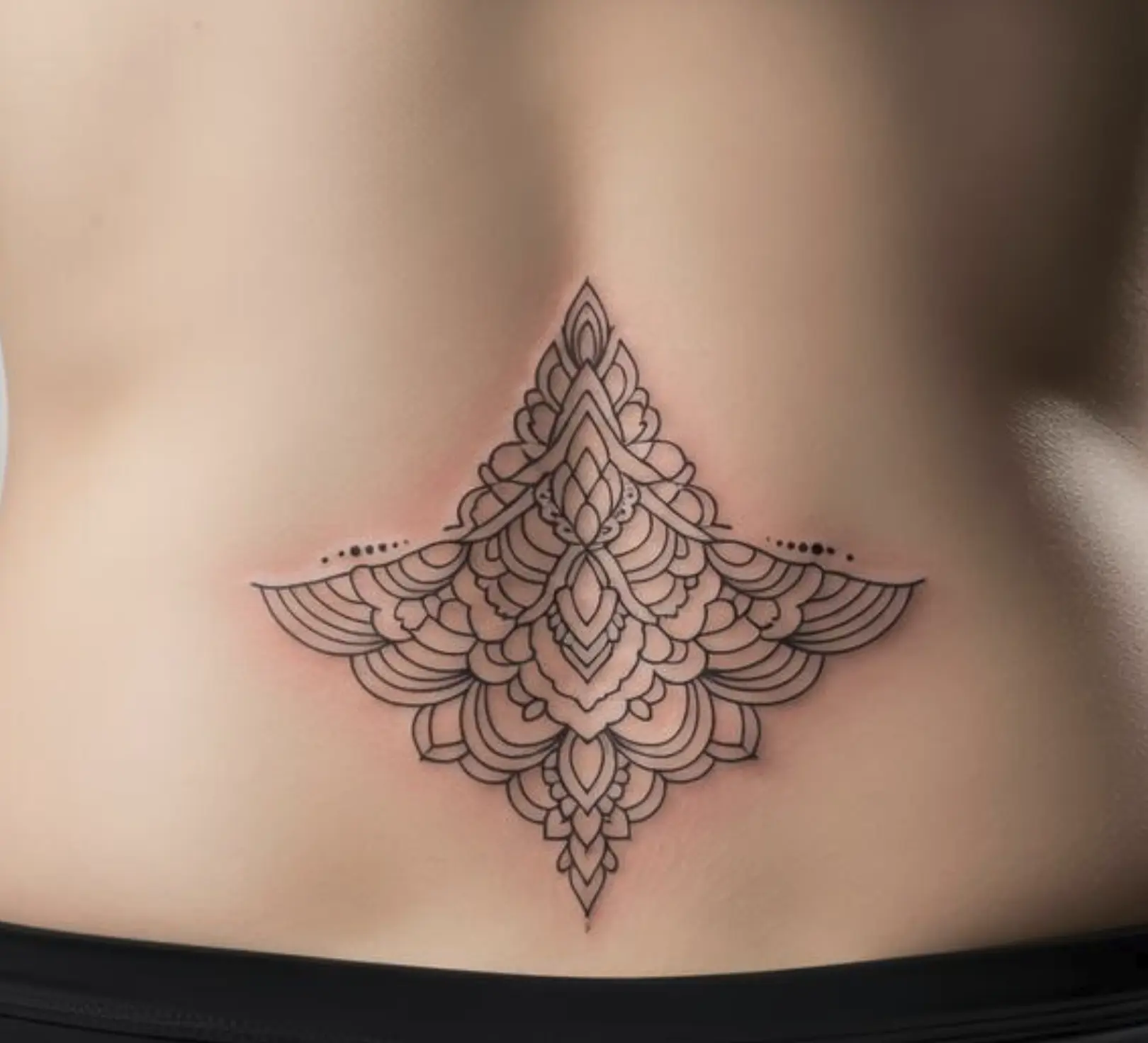
Fine-line tattoos have taken off in popularity in Melbourne, but many clients don’t realise just how delicate these designs are. The thinner the line, the closer the pigment is to the surface, and that makes it super vulnerable to the elements – especially Melbourne’s UV rays. Before you know it, thin lines can look all blurry.
Dermatology research shows that UV exposure is responsible for up to 80% of visible skin aging, and pigment under the skin reacts the same way: the thinner the application, the more likely it is to spread or fade over time.
A decent training program should be teaching you:
- How to adjust your technique depending on the client’s skin type.
- How to anticipate and avoid pigment spreading.
- Which areas of the body can actually handle fine detail?
- How to manage client expectations – and not overpromise on the results.
And because Australia doesn’t even have any sort of national curriculum, it’s all down to the training provider you choose: they’re the ones who are going to teach you what you need to know.
Why The Industry Might Benefit From Standardised
From a client’s point of view, having clear qualifications would make life a whole lot easier when trying to choose an artist, far less guesswork involved. And for students, it would give them a better idea of what they can expect from their learning experience. And then there’s the industry as a whole, which would see a welcome boost in the level of skill and safety expected from all practitioners as demand for services continues to grow year after year.
The kind of studios that have been around for a while – you know, the family-owned ones like Cosmetic Tattoo Studio Melbourne Face Figurati. It can all have high standards of its own, but a national framework would really help out the newer artists who are still finding their feet – they could benefit from some guidance on what “good training” looks like. And, of course, it would also give clients who are looking for cosmetic tattoo or fine-line services across Australia a bit more peace of mind.
Of course, setting up such a qualification is going to be a real challenge, not least of all because artistic skill just can’t be measured objectively – it’s a matter of personal opinion. It can vary wildly from one professional to the next.
How To Make Safe Choices As A Client Or Student
Here’s the checklist I always recommend when it comes to navigating the industry:
If You’re Looking for an Artist
- Don’t take fresh results as gospel – get a look at the healed ones instead.
- Make sure they’re not just paying lip service to hygiene – it needs to be real.
- Want to know if they’re any good? Ask for proper references – a certificate on its own isn’t enough.
- Expect them to be upfront about their limitations and what they can really deliver.
If You’re Looking at Courses
- Watch out for places that claim to be “nationally accredited” – it’s just not a thing yet.
- Real skin time is essential – no point just practising on fake skin.
- Is the trainer still active in the industry? You want someone with real-world experience guiding you.
- Healed work quality is everything – don’t just go by the marketing images.
- Long-term support after the course is essential – you’ll need it.
Good education is all about learning from someone who knows their stuff – not just someone who’s ticked the right boxes.
A Closing Note From The Studio
Now you know the answer to Is there any nationally standardised fine-line tattoo qualification in Australia?, you might feel a bit more confident – whether you’re looking for a service or considering a career in the industry.
If you’re still weighing up your next step – whether that’s a delicate cosmetic tattoo, a lip tattoo in Melbourne, or just exploring a fine line tattoo course, feel free to reach out. At Cosmetic Tattoo Studio Melbourne Face Figurati, we place just as much emphasis on education and honest guidance as we do on the art itself.
FAQ
Is there a nationally recognised certificate for fine-line tattoos?
No, there isn’t – at least, not yet. What we do have is state-based infection control and hygiene requirements.
Are cosmetic tattoo qualifications the same as fine-line tattoo qualifications?
No, not even close. Cosmetic tattoo qualifications relate to brows, lips, or eyeliner tattooing – and even those vary widely – so you can imagine the fine-line tattoo qualifications being even more different.
What should I look for in fine-line training courses?
Clear learning outcomes, real-world practice, measurable results, and trainers with real-world experience would be a good start.
Do I need an infection prevention certification to tattoo?
Yes – in most places, you’ll need to do some infection control training if you want to make a go of tattooing – especially if you’re going to be doing any kind of skin penetration.
How can beginners choose the right training provider?
Just use your common sense – look for transparency, for starters – and check if the trainers still actually do the job themselves, not just someone who runs courses for a living.