
Which Australian zoos are officially WAZA accredited in 2026? — Here’s the honest answer right up front: only a small group of major Australian zoo organisations are directly connected to the World Association of Zoos and Aquariums, while most reputable facilities operate through strong regional systems that follow the same global standards.
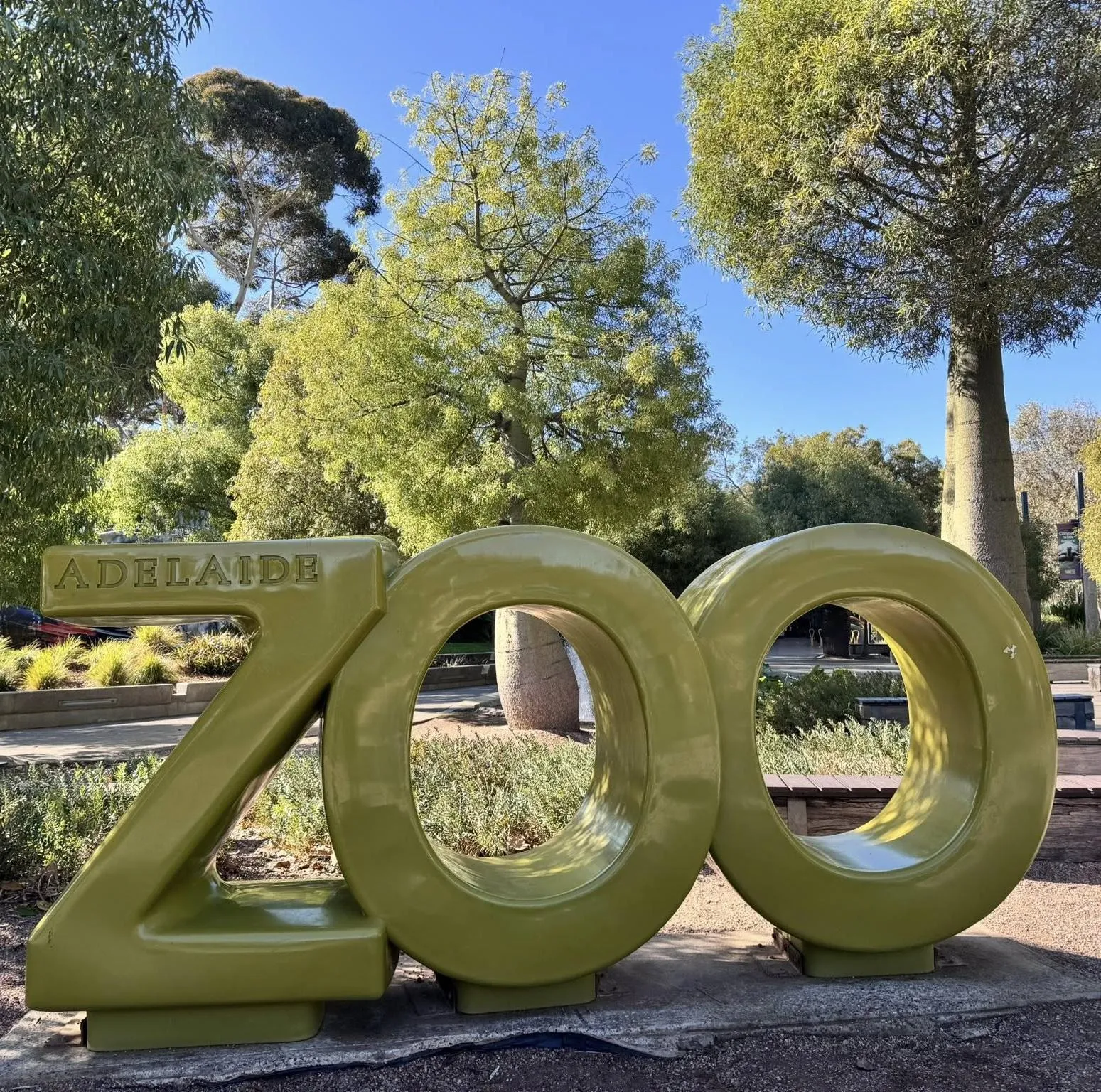
That means well-known places like Taronga Zoo and the Zoos Victoria network sit within that global alliance structure, while others — including Australia Zoo and Adelaide Zoo — still meet strict expectations for animal welfare, animal care, and species conservation without holding direct membership.
I’ve spent years walking through these places — sometimes in 38-degree heat, sometimes dodging school groups, sometimes wondering why I didn’t bring more water — and I’ll tell you this: the label matters less than how the place actually runs.
Contents
- 1 How The Global Zoo System Works
- 2 Top Australian Zoos With Global Links
- 3 Where Well-Known Aussie Zoos Sit In All This
- 4 What Actually Defines A Quality Zoo Experience
- 5 Wildlife Experiences That Go Beyond The Basics
- 6 What Happens Behind The Scenes (The Part You Don’t See)
- 7 Timing Your Visit So You’re Not Fighting The Heat
- 8 A Simple Plan Before You Walk Through The Gate
- 9 Why Reliable Information Matters When Planning
- 10 Focus On Impact, Not Labels
- 11 FAQ
How The Global Zoo System Works
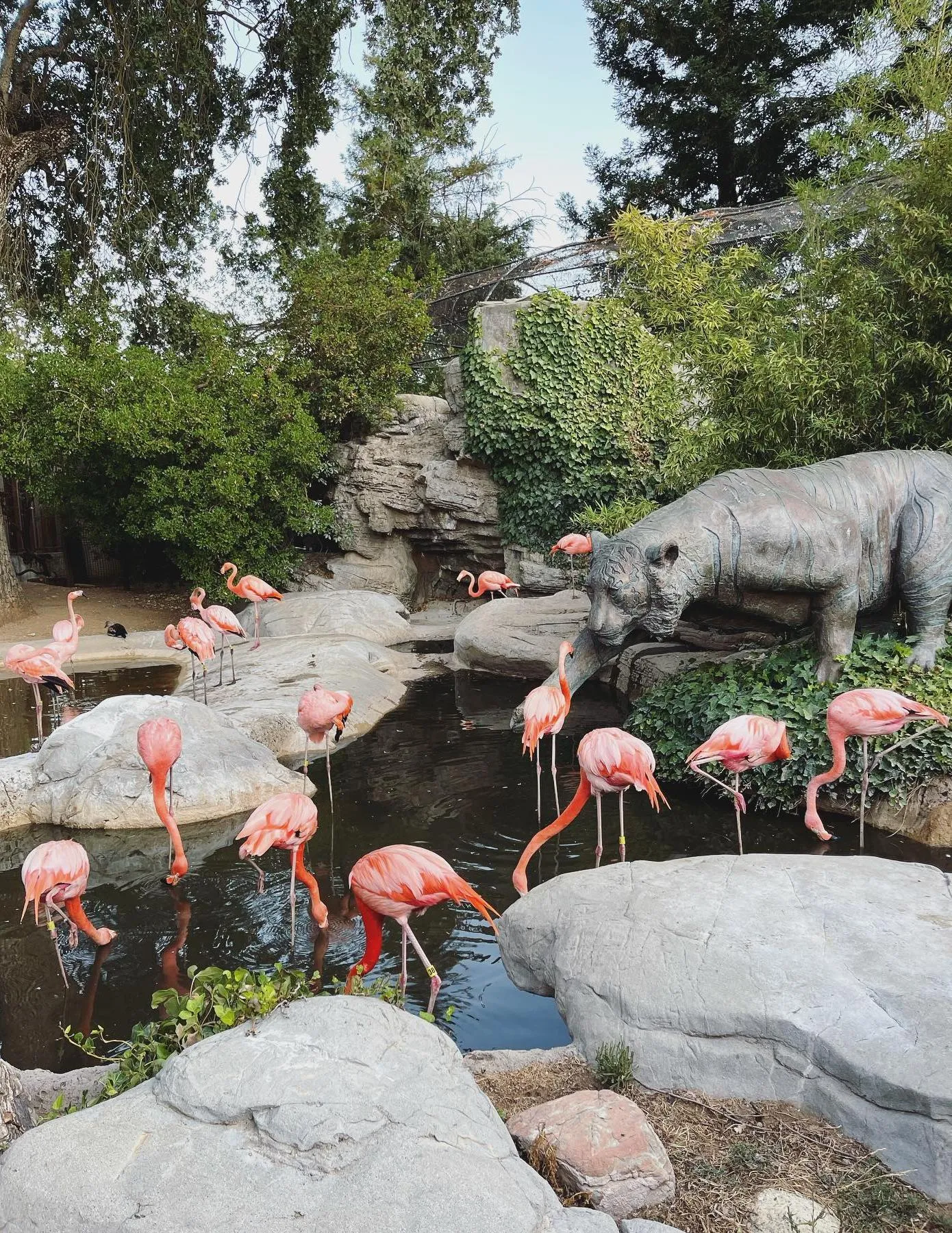
It’s easy to assume there’s a single accreditation badge that defines everything. In reality, it’s more layered than that — and once you get your head around it, choosing where to go becomes a lot simpler.
The World Association of Zoos and Aquariums serves as a global alliance, connecting institutional members, affiliate members, and national federations worldwide. Their focus is big-picture stuff:
- Conservation of animals
- Protection of endangered species
- Improving animal wellbeing
- Supporting habitat preservation
- Coordinating international breeding programs and field research
In Australia, most zoos operate under regional associations that align with these standards. These bodies conduct on-site inspections, enforce ethical guidelines, and maintain public trust.
So even if a zoo isn’t directly listed under WAZA, it can still meet the same expectations — and often does.
Top Australian Zoos With Global Links
Let’s keep this practical. These are the main Australian institutions operating at that global level.
| Organisation | Location | Structure | Core Strength |
| Taronga Zoo | Sydney | Institutional member | Conservation leadership |
| Taronga Western Plains Zoo | Dubbo | Open-range | Large-scale breeding |
| Melbourne Zoo | Melbourne | Zoos Victoria | Science education |
| Werribee Open Range Zoo | Victoria | Zoos Victoria | Habitat immersion |
| Healesville Sanctuary | Victoria | Zoos Victoria | Native species recovery |
These aren’t just visitor attractions — they operate as full-scale conservation hubs. You’ll find work happening here in Ex situ conservation, scientific collaboration, and long-term species conservation programs.
Where Well-Known Aussie Zoos Sit In All This
Now let’s talk about the names most travellers recognise.
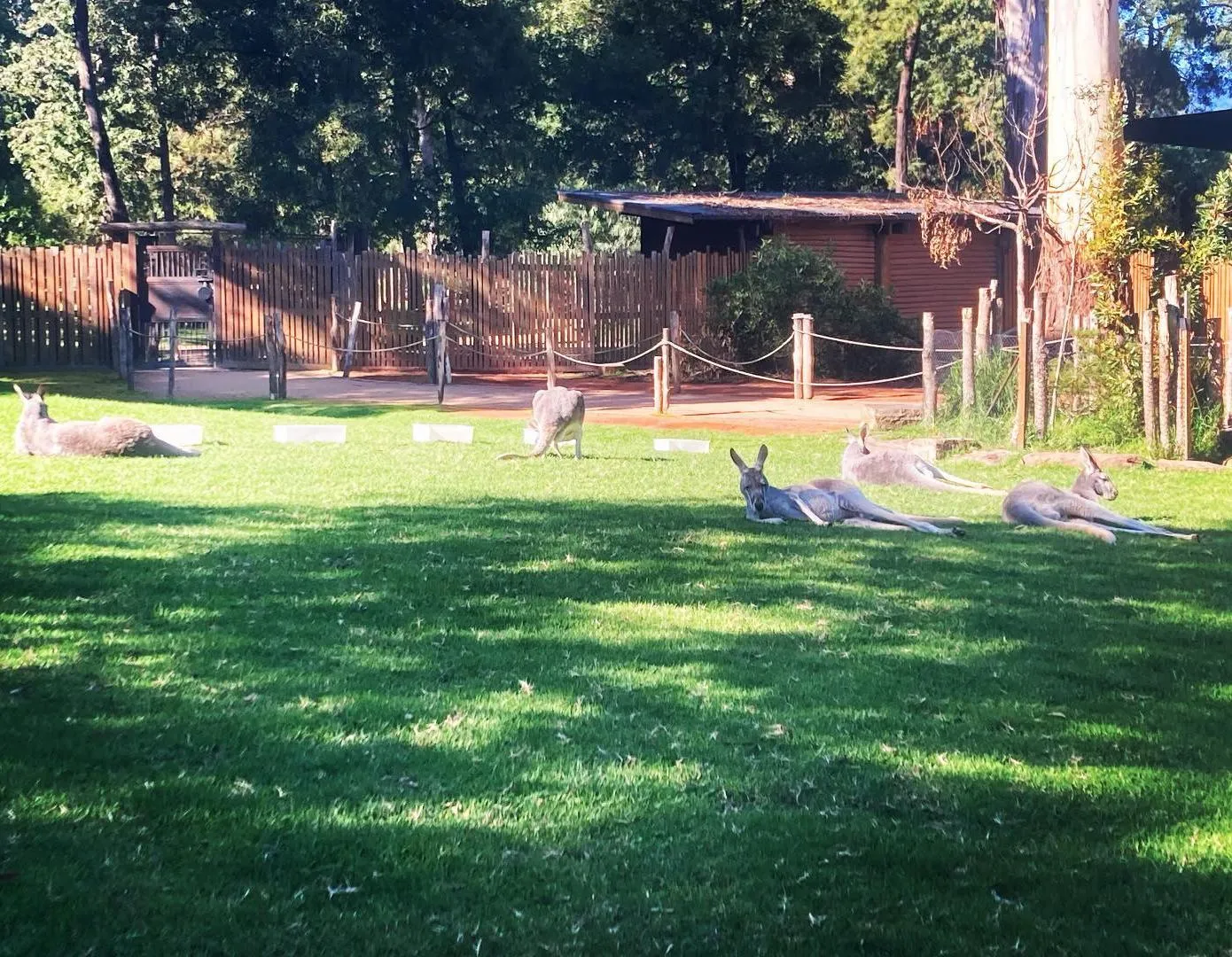
Australia Zoo, Adelaide Zoo, and Perth Zoo don’t hold direct membership. But that doesn’t mean they’re far from it — far from it.
These facilities are:
- Fully aligned with regional accreditation systems
- Actively involved in scientific research and conservation
- Delivering strong educational programs
- Supporting rescue and rehabilitation efforts
Adelaide Zoo, for example, contributes to programs that protect species such as the Southern cassowary, while Australia Zoo has built its reputation through large-scale conservation messaging and wildlife rescue operations.
In other words, they’re still doing the work that matters.
What Actually Defines A Quality Zoo Experience
Forget the labels for a second. When you walk into a good zoological facility, you’ll know it.
I’ve been through enough of them — from coastal cities to regional tracks — to spot the difference within minutes.
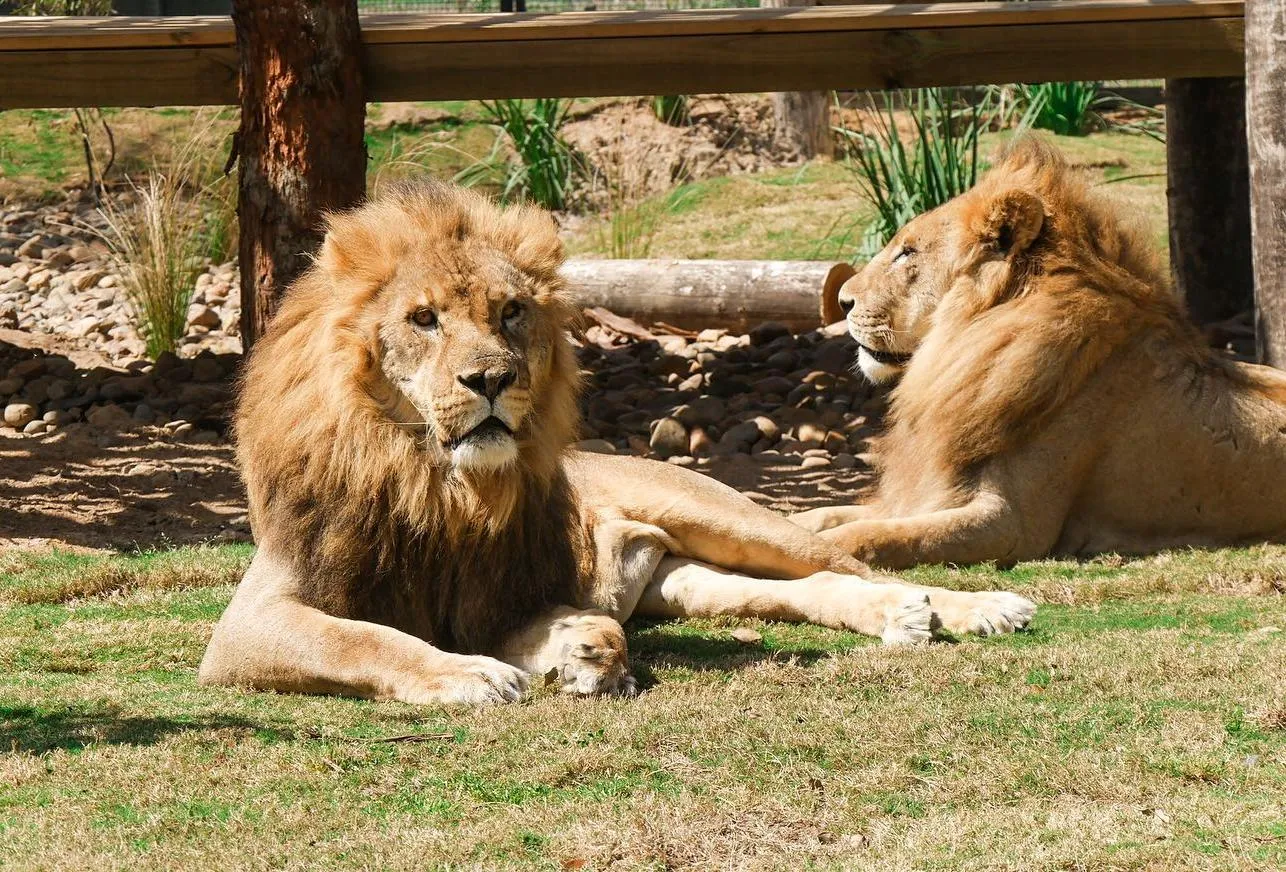
You’ll notice animals behaving naturally, not pacing or stressed. Enclosures will feel like real animal habitats, not cages dressed up for photos. Staff will talk about conservation without reading off a script.
And importantly, you’ll see evidence of real work happening — not just displays.
If a place leans heavily on constant animal interaction, flashy signage, and little else, it’s worth questioning.
Wildlife Experiences That Go Beyond The Basics
If you’re planning your trip properly, you don’t just want to tick off a zoo visit — you want something that actually connects you to the landscape and wildlife.
I’ve worked alongside operators like Wildlife Tours, and what stands out is how they combine structured visits with broader travel experiences. Many travellers now link zoo visits with Australian safari tours, especially when heading beyond the cities.
Taronga Zoo is a standout in Sydney — not just for its setting, but for its commitment to conservation and science education. Get there early, because by late morning it’s busy.
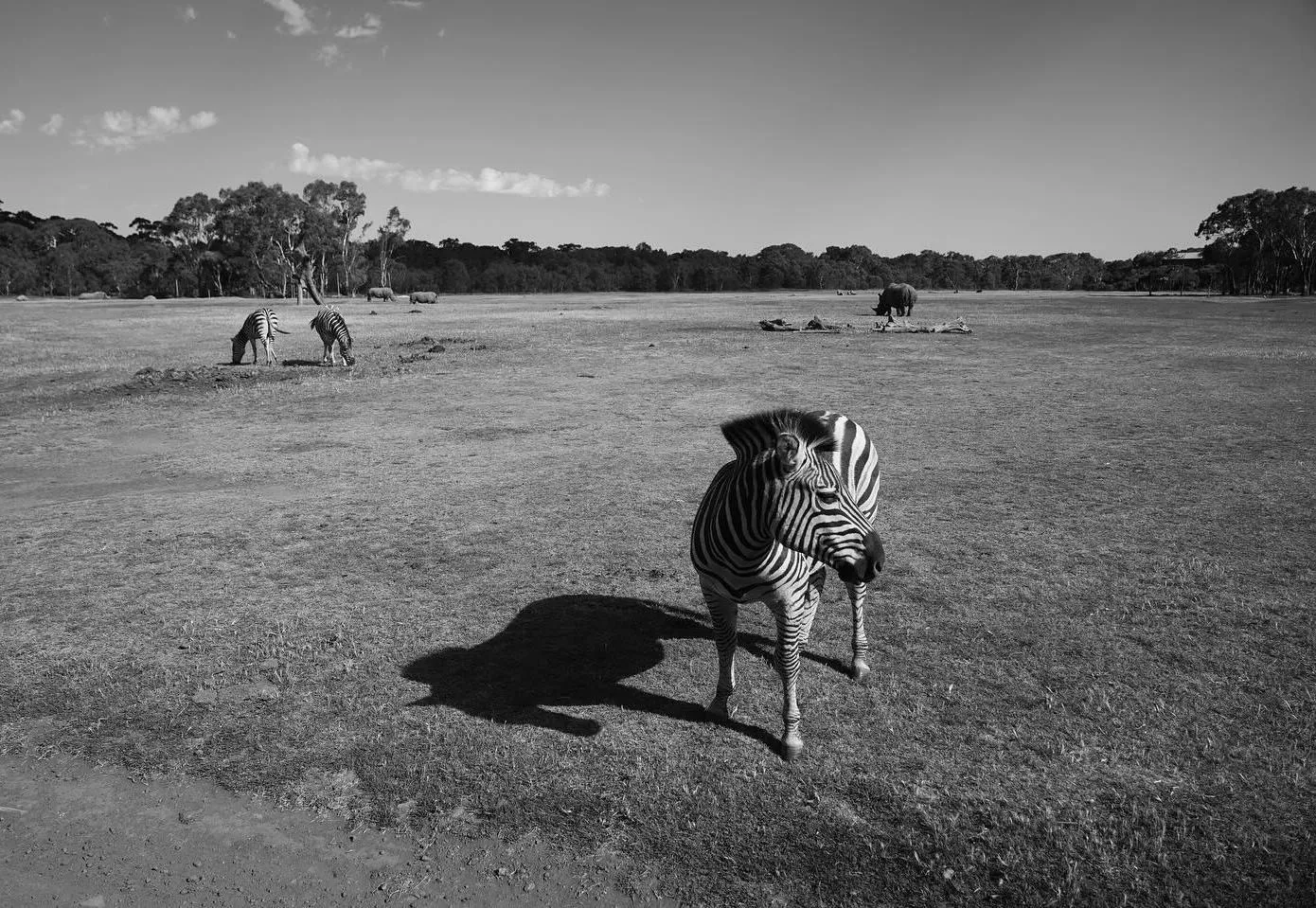
Werribee Open Range Zoo offers a completely different feel. Wide-open spaces, safari-style movement, and a sense that the animals aren’t just on display — they’re part of a larger system. It pairs well with regional Australian safari tours if you’re exploring Victoria.
Healesville Sanctuary is where you go to truly understand Australian wildlife. Native species, strong rehabilitation work, and a clear connection to local ecosystems.
Australia Zoo, up in Queensland, is one of the most accessible and family-friendly options. It’s busy, no doubt, but the wildlife hospital and conservation messaging are hard to ignore.
What Happens Behind The Scenes (The Part You Don’t See)

Most visitors see feeding times and enclosures. What they don’t see is where the real effort goes.
These organisations contribute to:
- Coordinated breeding programs for endangered species
- Global databases tracking genetics and populations
- Combating wildlife trafficking and illegal trade
- Supporting international field research initiatives
You’ll also see campaigns like Turning the Tide, which focus on reversing global species decline. Australian zoos are deeply involved in these efforts, often working alongside international partners like Auckland Zoo and Taman Safari Indonesia.
Even smaller facilities — including places like Central Coast Zoo — contribute through education, community engagement, and local conservation work.
Timing Your Visit So You’re Not Fighting The Heat
Australia has a way of humbling unprepared travellers.
If you turn up at midday in summer, you’ll spend more time looking for shade than wildlife. Animals do exactly what you’d expect — they hide.
Spring and autumn are your best bets. The weather’s manageable, animals are active, and you won’t feel like you’re melting into the pavement.
Early mornings are gold. Late afternoons aren’t bad either. Midday? That’s when everything slows down — including you.
A Simple Plan Before You Walk Through The Gate
You don’t need a complicated checklist — just a bit of common sense.
Bring water. More than you think you’ll need. Wear a hat, slap on sunscreen, and don’t underestimate how much walking you’ll do.
If you want something more memorable, book one of the behind-the-scenes experiences. These give you a clear look at how animal care works and often directly support conservation funding.
And if you’re travelling more broadly, consider linking your visit with Australian safari tours — it’s a smarter way to see multiple ecosystems without doubling back across the map.
Why Reliable Information Matters When Planning
There’s a lot of recycled and outdated information online about zoo accreditation. Memberships change, standards evolve, and not every list is accurate.
Google’s own guidance highlights that content should be useful, accurate, and based-on real experience — not just stitched together from other sources .
So if you’re doing your research:
- Look at official zoo websites
- Check conservation programs, not just marketing
- Focus on what the facility actually does
You don’t need a reference number, a support team, or to worry about your IP Address to figure out if a place is doing things properly. Just pay attention to the details.
Focus On Impact, Not Labels
If you’re chasing a WAZA label as your only guide, you’re missing the bigger picture.
Australia has a strong, well-regulated zoo network that contributes meaningfully to global conservation — whether through direct membership or aligned systems.
Look for real indicators:
- Strong animal care practices
- Active species conservation programs
- Clear education and transparency
That’s where the value is.
If you plan it right — mixing quality zoos with operators like Wildlife Tours and layering in a few Australian safari tours — you’ll come away with more than just photos. You’ll actually understand how conservation works here.
And if you’ve found a place that deserves a mention, send it through. I’m always updating the field notes.
FAQ
How many Australian zoos are directly linked to WAZA?
Only a small number of organisations hold direct membership, but many others align through regional systems that follow the same standards.
Do non-WAZA zoos still meet high standards?
Yes. Many Australian zoos meet strict requirements for animal welfare, conservation, and education through regional accreditation.
What does ex-situ conservation involve?
It refers to conservation work carried out outside natural environments, such as managed breeding programs within zoos.
Can visiting a zoo contribute to conservation?
Yes. Revenue from tickets often supports research, wildlife protection, and habitat initiatives.
What species are commonly part of conservation programs?
Programs include both native and international species, from birds like the Southern cassowary to animals such as Cape Porcupines involved in global breeding efforts.