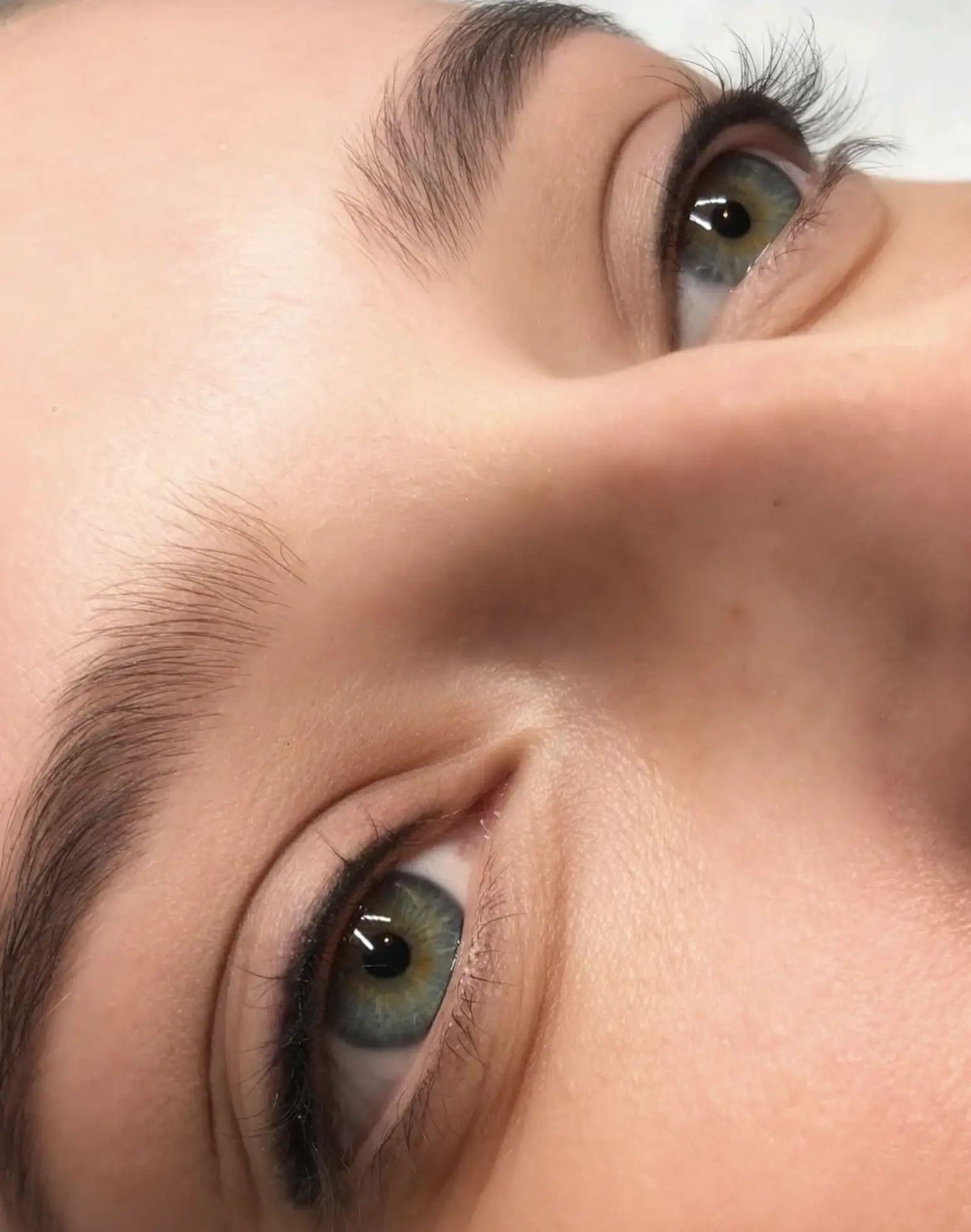

So you’ve been wondering, “What medications interfere with eyeliner tattoos?” before booking your appointment? You’re already ahead of the game. In my Melbourne studio, I always remind clients that getting an eyeliner tattoo isn’t just about creating that perfect flick or subtle lash enhancement. It’s about ensuring your health, safety and long-term results with permanent makeup.
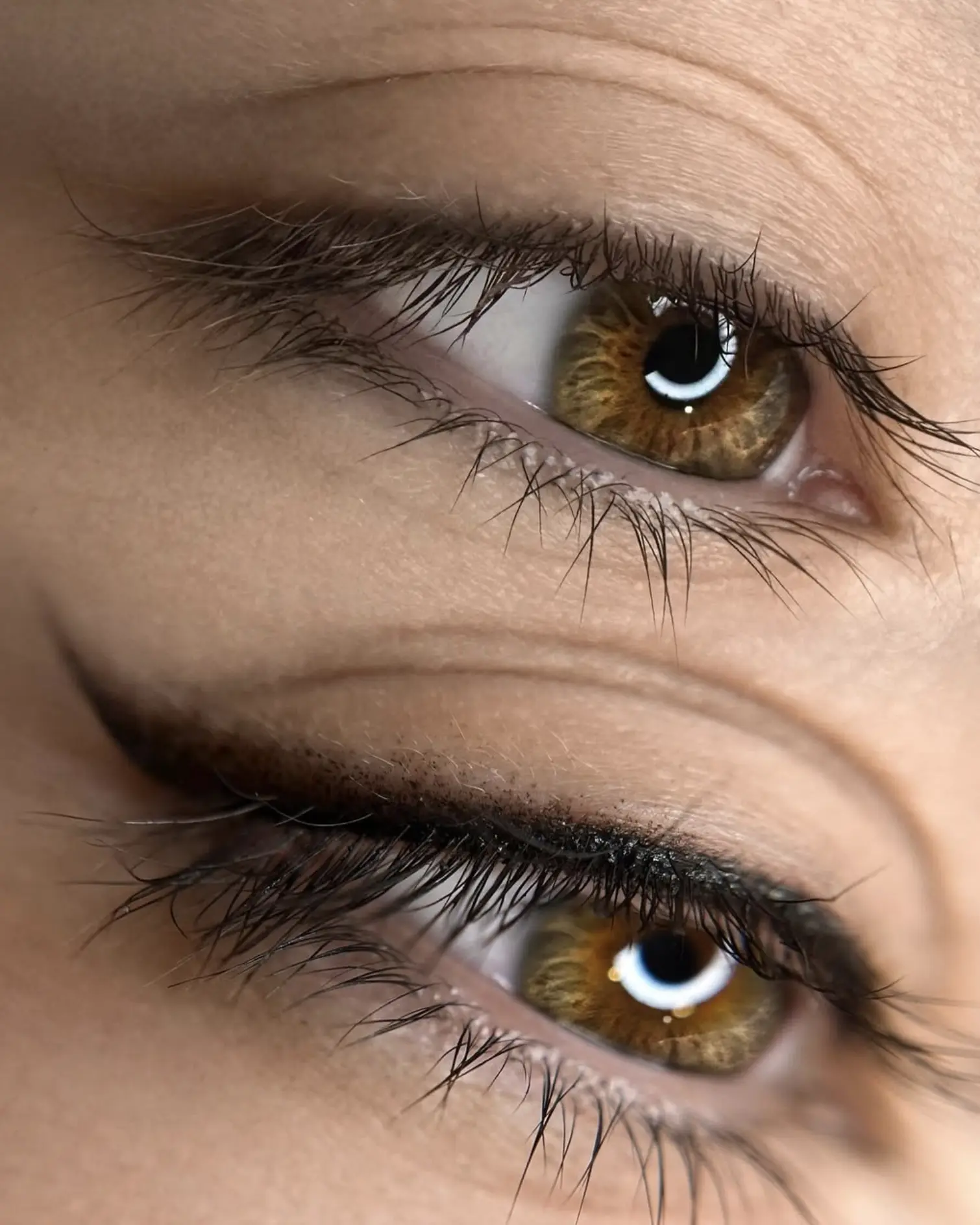
When it comes to permanent eyeliner, the medications and supplements you’re taking can make or break your results. From pigment retention and swelling to poor healing and increased risk of infection, the right prep (and knowing when to wait) can mean the difference between dreamy liner and a disappointing experience.
So let’s go through everything you need to know before your eyeliner tattoo in Melbourne.
Contents
- 0.1 Why Medications Matter for Eyeliner Tattoos
- 0.2 Blood Thinners
- 0.3 Drugs That Affect Pigment Retention
- 0.4 Skin Conditions And Eyeliner Tattoos
- 0.5 How Immune Meds Affect Tattoos
- 0.6 Numbing Agents And Patch Tests
- 0.7 Medication Effects on Semi-Permanent Makeup
- 0.8 Real Studio Case
- 0.9 Safe Tattoo Removal on Medications
- 0.10 Pre-Tattoo Checklist
- 0.11 Quick-Reference Table
- 1 Final Thoughts
- 2 FAQ
Why Medications Matter for Eyeliner Tattoos
Cosmetic tattooing is often seen as a beauty treatment, but really, it’s a skin procedure. The process of implanting pigment with a handheld tool or tattoo machine creates a controlled wound. Your body then has to heal, lock in the pigment and protect the area against bacterial infections.
When you add medications into the mix, things get more complicated:
- Blood thinners can cause excess bleeding.
- Certain medications can delay healing or increase swelling.
- Others can affect how pigment is stored, leading to poor colour retention.
- Some can even increase the risk of adverse reactions or infections.
For permanent eyeliner tattoo treatments, we’re working right along your lash line, near delicate mucous membranes and your natural lashes.
Blood Thinners
Let’s start with the most common issue: blood thinners. These drugs interfere with clotting and can cause excessive bleeding during your procedure. That extra bleeding doesn’t just mean more swelling — it can push pigment back out of the skin, meaning patchy or faded results.
Common Blood Thinners To Watch
| Type of Medication | Examples | Effect of Tattooing |
|---|---|---|
| Anticoagulants | Warfarin, Heparin | Higher bleeding, pigment washout |
| Antiplatelets | Aspirin, Clopidogrel | More bruising and swelling |
| NSAIDs (pain relief) | Ibuprofen, Naproxen | Interfere with clotting |
| Supplements | Fish Oil, Vitamin E (high dose) | Sneaky blood-thinners are often missed |
If you’ve had recent surgery — even a hair transplant — and you’re still on these meds, it’s best to wait until your doctor clears you.
Drugs That Affect Pigment Retention
Not all medications thin the blood. Some affect how your skin heals, or how well it holds pigment, and leave you with patchy results.
- Corticosteroids: weaken the immune system and slow skin repair, leading to poor healing and pigment fading.
- Immunosuppressants: increase your risk of infection and reduce pigment retention.
- Accutane (Isotretinoin): no procedures for at least 6–12 months after stopping — risk of scarring.
- Thyroid Medications: like Levothyroxine can cause patchy results; may need extra touch-up.
Skin Conditions And Eyeliner Tattoos
Your meds aren’t the only factor — skin conditions can also impact results.
- Eczema, psoriasis, or dermatitis near the eyes can interfere with pigment binding.
- Compromised skin barrier increases infection risk.
- Using glycolic acids or retinols delays healing.
For clients with active skin disorders, I usually recommend waiting until symptoms are under control.
How Immune Meds Affect Tattoos
If you’re on meds for autoimmune diseases, blood disorders or chronic viral infections, your body can’t heal as well. That means adverse reactions, swelling or pigment loss.
At Face Figurati, I often require a GP clearance before doing a permanent eyeliner tattoo for clients on immunosuppressants.
Numbing Agents And Patch Tests
To keep you comfortable during the procedure, I use topical numbing agents. But did you know your meds can affect how well they work?
That’s why I always recommend a patch test if you:
- Take long-term antibiotics or steroids
- Have a history of skin conditions
- Are prone to allergic or inflammatory reactions
Medication Effects on Semi-Permanent Makeup
Even if you’re considering semi-permanent makeup instead of traditional permanent eyeliner tattoo, the same medication risks apply.
In fact, semi-permanent options often require more frequent touch-ups, so more chances for poor healing or infections if your body isn’t in the best condition.
Real Studio Case
My client Angela came in for an eyeliner tattoo in Melbourne while taking Levothyroxine for her thyroid. Despite perfect aftercare, her pigment retention was patchy at the 8-week mark.
We adjusted her aftercare, did a touch-up and she walked out with amazing results. Moral of the story? Permanent tattoo eyeliner is possible with the right planning, but medication can affect the journey.
Safe Tattoo Removal on Medications
Sometimes clients ask if medications also affect cosmetic tattoo removal. The answer is yes.
Laser or saline removal relies on your immune system flushing out pigment. If you’re on immunosuppressants or have blood disorders, healing can take longer and need more sessions.
Pre-Tattoo Checklist
- Tell your artist about all current medications and supplements
- Stop NSAIDs, Fish Oil and Vitamin E (with GP approval) 48-72 hours before
- Avoid alcohol and caffeine 24-48 hours prior
- Delay if you’re on antibiotics or steroids
- Skip chemical exfoliants around the eyes a week before
- Follow all aftercare steps to prevent bacterial infections
Quick-Reference Table
| Medication Category | Examples | Risk | Recommendation |
|---|---|---|---|
| Blood Thinners | Warfarin, Aspirin | Bleeding, pigment loss | GP clearance, possible delay |
| Corticosteroids | Prednisone | Poor healing | Delay until finished |
| Accutane | Isotretinoin | Scarring risk | Wait 6–12 months |
| Immunosuppressants | Methotrexate | Infection risk | GP clearance required |
| Thyroid Meds | Levothyroxine | Patchy pigment | Extra touch-up may be needed |
| Antibiotics | Current course | Poor healing | Wait until completed |
Final Thoughts
So you’re still asking yourself, “What medications interfere with eyeliner tattoos?” — here’s the answer: it depends on your health, your meds and your skin.
At Face Figurati Cosmetic Tattoo Studio in Melbourne, my number one priority is your safety. Whether you’re booking your first eyeliner tattoo in Melbourne or getting a permanent tattoo eyeliner refresh, I’ll work with you to make sure your results are beautiful — and safe.
FAQ
Can I get permanent eyeliner while on antidepressants?
Yes, but tell your artist. Some can thin the blood slightly or change pain sensitivity, so planning helps.
Do autoimmune diseases prevent an eyeliner tattoo?
Not always, but they can increase infection risk. A GP clearance is required.
What if I’m using chemical exfoliants near my eyes?
Stop a week before your permanent eyeliner tattoo to avoid poor healing and irritation.
Will poor aftercare affect results more if I’m on medication?
Absolutely. Skipping aftercare can lead to infections or pigment loss, especially if your immune system is already compromised.
Is permanent tattoo eyeliner safe for all skin types?
Most skin types are fine, but clients with active skin conditions or fragile skin should wait until conditions improve.