
Let me guess — you heard about the Penguin Parade, Googled a few beach snaps, and now you’re thinking, “Righto, time to hit Phillip Island.” Smart move. But before you blindly follow the tourist trail straight to the visitor centre and start beach combing with the masses, let me show you how to visit Phillip Island like someone who knows their way around a brackish slough.
I’ve been heading to Phillip Island (or “Phillips Island,” as some GPS systems still call it) for yonks. I’ve camped near Cape Woolamai, swum at Cowes Main Beach in my boardies while mozzies bit my ankles, and even copped a rogue wave trying to photograph Roseate Spoonbills down in a wetland habitat near Rhyll. So if you want a fantastic time without the faff, read on.
Contents
Getting to Phillip Island: Don’t Miss the Boat
Good news: you don’t need a 30-minute boat ride to get to this barrier island. There’s a bridge — and yes, it works in both directions.
Driving from Melbourne: It’s about 140 kilometres via the South Gippsland Highway. You’ll cross at San Remo, a classic seaside spot where the pelicans line up like friendly tour guides waiting for a snack.
Public Transport: A V/Line combo of train and coach will get you there via the central meeting point at Southern Cross or Dandenong. Just don’t expect to bring a surfboard or your extraordinary child’s pram on board without drama.
Pro tip: If you’re making a day trip, leave at sparrow’s fart. Traffic gets packed like sardines from late morning, especially near Churchill Island and Cowes.
Where to Stay on Phillip Island
Your options range from no-frills beach houses to resort-style vacation rentals and wildlife park-adjacent holiday parks. Choose your vibe:
- Cowes: Great for a beach retreat with calm waters and close to all the main amenities (including great fish ‘n’ chips).
- Smiths Beach: Laid-back, less crowded, and one of the popular surfing beaches — perfect for proficient paddlers and groms learning the ropes.
- Newhaven: Near the bridge and the Koala Conservation Reserve — ideal if you’ve got little ones of varying ages or just want to say you stayed near a park with koalas.
Avoid: Booking last-minute during the Motogp or the Penguin Parade’s annual arrival spike — prices jump higher than a fox squirrel on espresso.
What to Do on Phillip Island
Sure, the world-famous Penguin Parade is the headline act, but there’s more to this island than a sunset waddle. Here’s the lowdown.
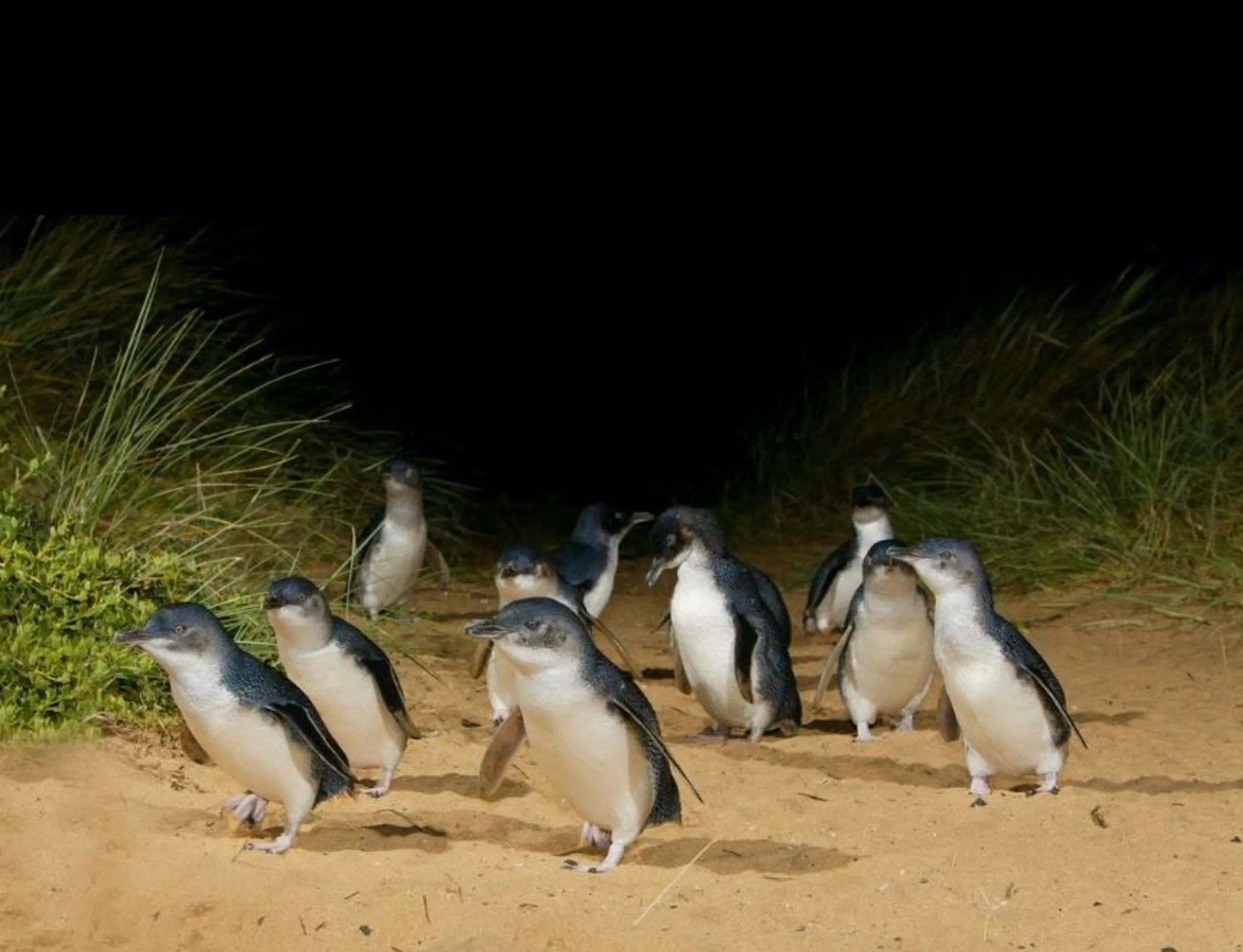
The Phillip Island Penguin Parade
Best seen in the evening at sunset, an hour before penguin arrival.
Book tickets in advance — they charge admission, and the admission ticket types vary (concession entry, Entry for cardholder, etc).
Bring warm layers and bug spray. Dress in layers — even in summer, the coastal winds can bite.
The parade is part of Phillip Island Nature Parks, a conservation easement that supports habitats for species like Little Penguins and other native animals.
Penguin Tours are by far the most sought-after attraction on the island, and they book out fast. You’ll want to secure your spot early if you’re travelling during peak periods.
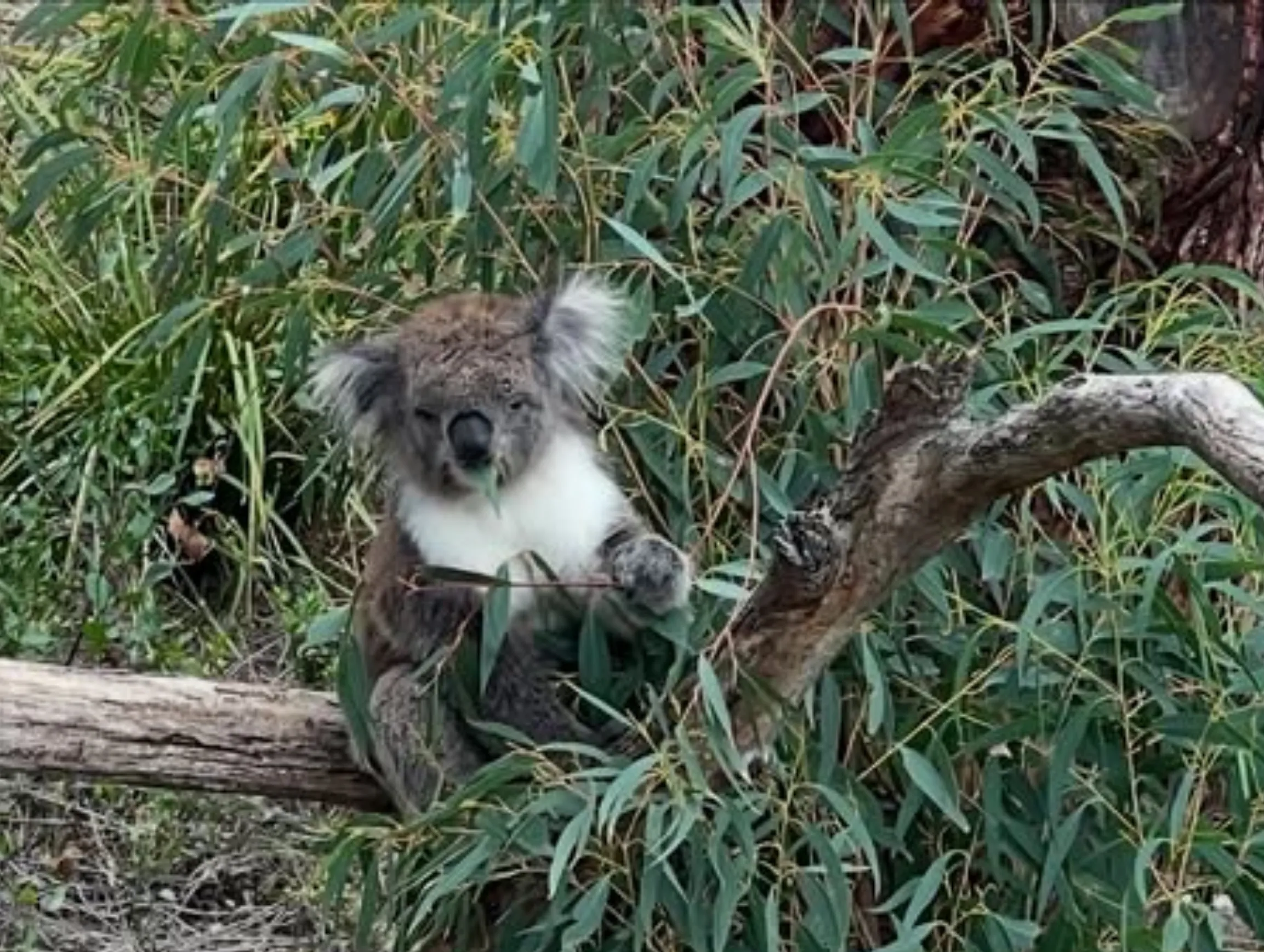
Koala Time at the Koala Conservation Reserve
Elevated treetop boardwalks let you see these snoozy legends up close in their natural habitat.
Managed as part of Phillip Island Nature Parks, it’s a safe zone for local species and a haven of wetland habitats.
Also, a great pick for a slow day in nature, especially if your crew needs a break from the beach.
Seal Rocks & Wildlife Cruises
Take a wildlife cruise out to Seal Rocks, home to Australia’s largest fur seal colony. You’ll smell it before you see it.
These guided adventures are often paired with entertaining lessons about marine life and the island’s defence for runoff issues due to coastal erosion.
Many a Phillip Island tour includes this stop — just bring synthetic clothing if you’re not keen on getting soaked.
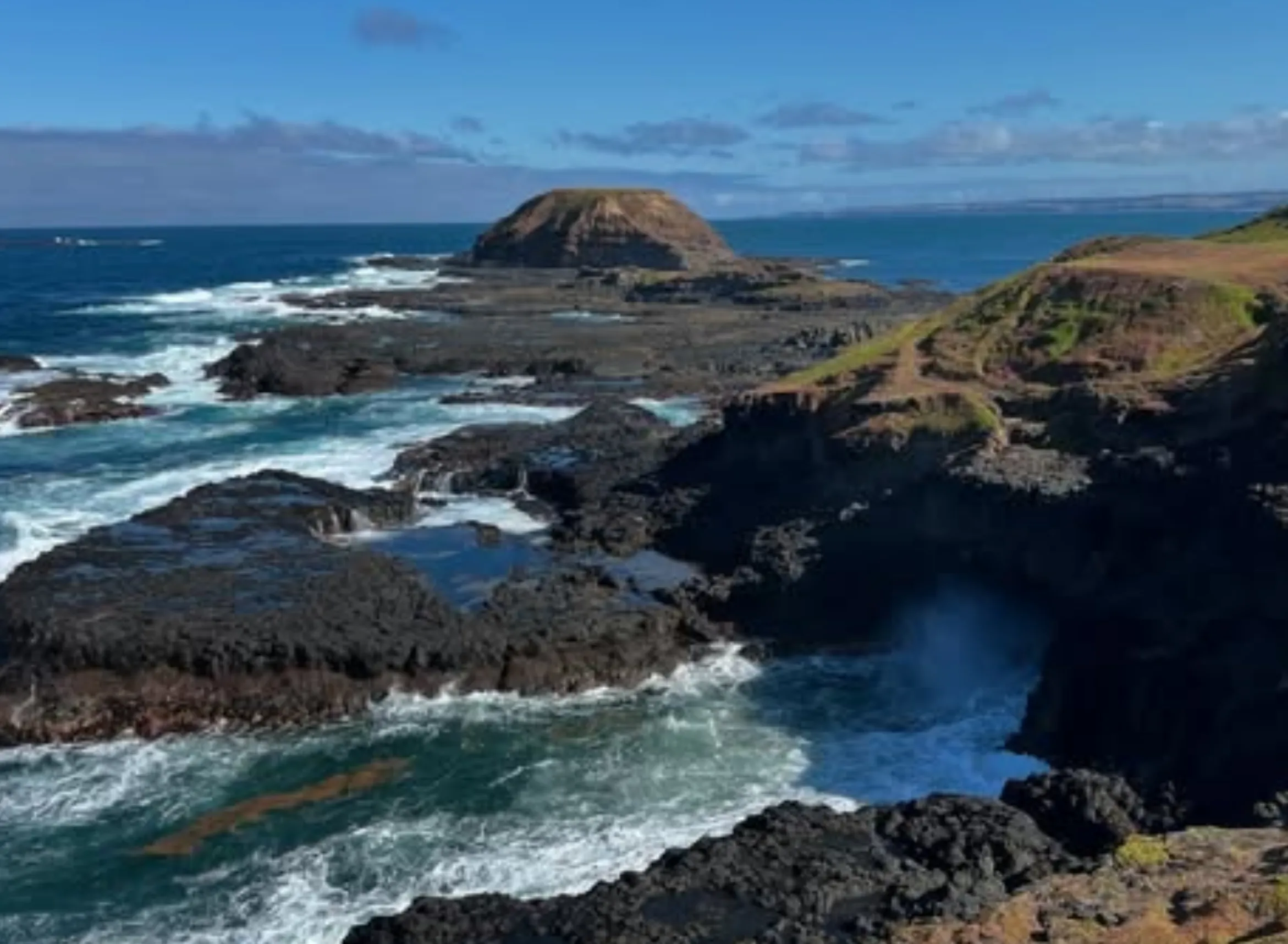
Cape Woolamai & Coastal Walks
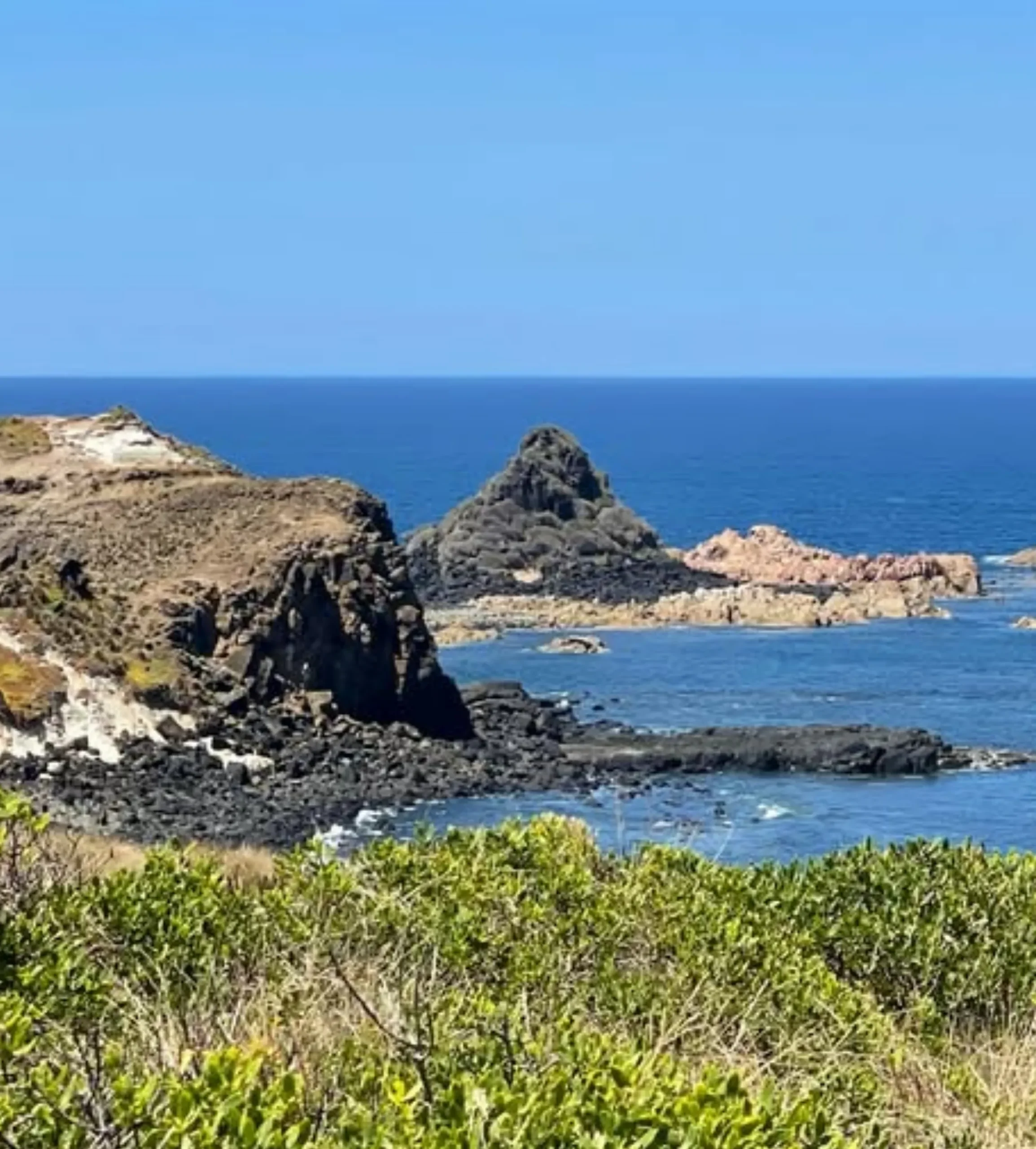
Home to pink granite cliffs and the island’s most magnificent headland.
Tackle the Cape Woolamai Circuit if you’re game — sweeping views, boneyard beaches, and dramatic cliffs make it worth the huff.
If you’re lucky, you’ll spot brilliant birdlife along the way — maybe even a few critters ducking through the beach trail.
These walks are often part of eco-friendly Phillip Island tours that combine coastal adventure with sustainability.
Grand Prix Thrills & Go-Karting
Phillip Island Grand Prix Circuit Visitor Centre is a must for petrolheads.
Offers go-karting on a mini replica of the famous track, plus motor sport display zones with relics from popular recording artists and Aussie race legends.
Sometimes they host guided circuit tours — check ahead.
Churchill Island & Historical Stops
Just across a causeway from Newhaven, Churchill Island offers farm experiences, whip cracking, shearing, and heritage buildings like Turner House.
Great for families and anyone into low-key, educational travel.
Tips and Local Hacks
Whether you’re on a day trip or staying a week, here’s what I’ve learned (sometimes the hard way):
- Dress in layers — the Island weather changes quicker than a pub TV during a footy match.
- Pack plenty of drinking water and snacks, especially if you’re out on the trails.
- Mind the snakes near bush tracks — French Island and some inland Beach Trails can be hotspots in summer.
- Backpack with plenty — you’ll need sunblock, mozzie spray, a camera, and maybe a rain poncho.
- Book ahead for any Phillip Island tour during holidays or weekends — seats fill up quicker than a servo pie warmer on Grand Prix day.
Where to Eat
- The Store, Rhyll – solid brunch spot with bay breezes.
- Isola di Capri (Cowes) – classic Italian, right on the water.
- Maru Koala Park Café – good for kids and koala fans alike. Bonus points for shady picnic spots.
- Phillip Island Brewing Co. – local brews and a cracking beer pairing experience.
Or pull together your own beach picnic — the Island’s full of great spots for a relaxed day in nature, away from the crowds.
When to Visit
Summer (Dec–Feb): Peak beach time and great for water activities, but crowded.
Autumn (Mar–May): Quieter, lovely light, excellent for wildlife spotting.
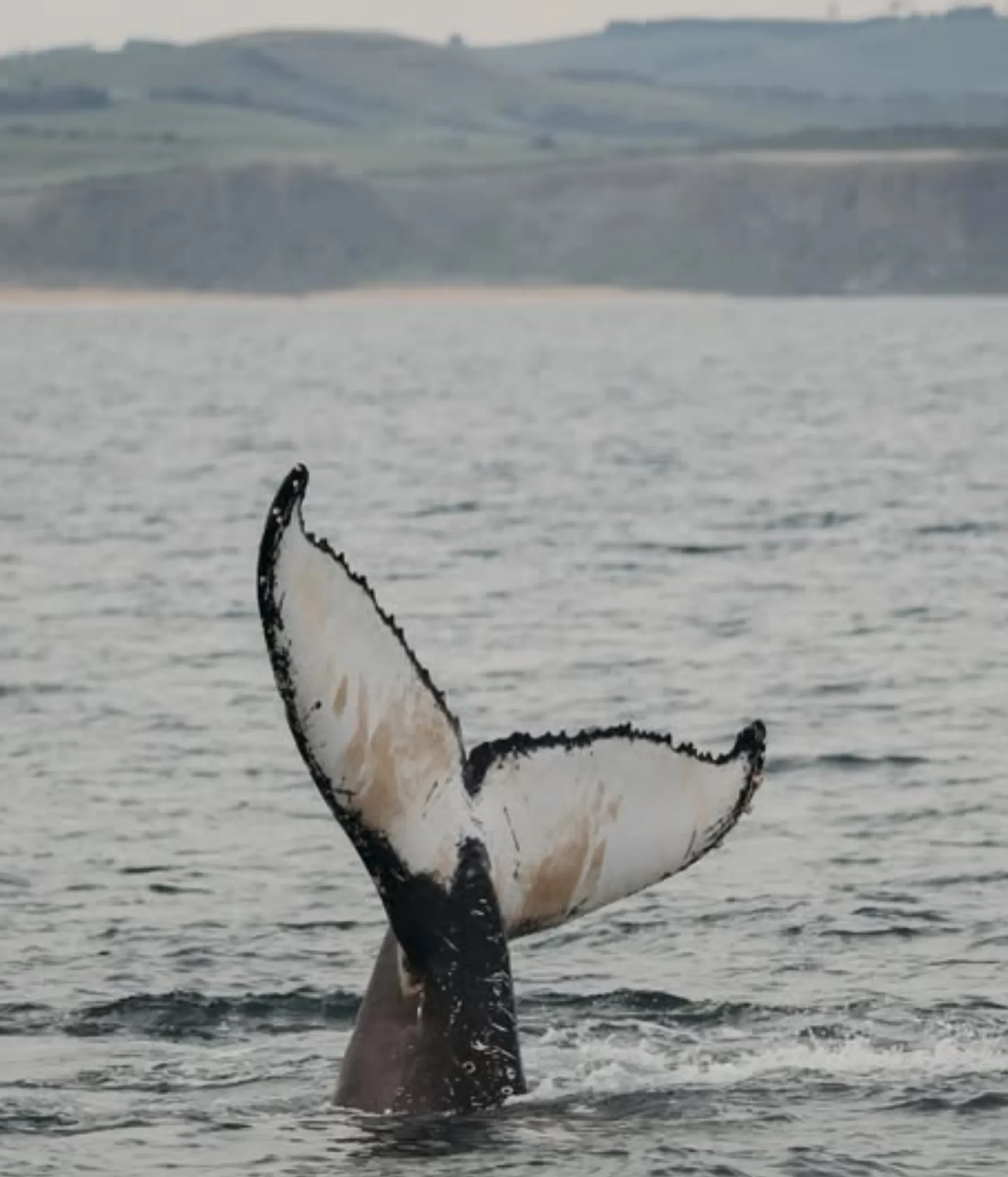
Winter (Jun–Aug): Best whale watching and fireside stays.
Spring (Sep–Nov): Bird nesting, wildflowers, and variable weather.
Avoid Motogp weekend if you’re not into rev heads — traffic, prices, and crowds all triple.
Wrap-Up: A Wild, Wavy, and Wonder-Filled Island
So there you have it — Phillip Island, packed with more wildlife, walks, waves and attractions than you can shake a selfie stick at. Whether you’re on a short day trip or a full-blown eco-weekender, it’s worth doing it right — with time, respect for Country, and a touch of curiosity.
For those wanting to hand the planning over, Wildlife Tours runs small-group Phillip Island tours that cover all the best bits — from the Penguin Parade to Seal Rocks, with just enough time left over for a beach stroll and an ice cream in Cowes.
FAQ
Can you do a Phillip Island day trip?
Absolutely — but it’s a long day. To see the Penguin Parade, wildlife park, and some of the main attractions, best to stay overnight.
Are there guided tours available?
Plenty. Whether it’s wildlife spotting, walking trails, or cultural sites, Phillip Island tours cover all the highlights. Phillip Island Penguin Tours are especially popular around sunset.
What’s the best family-friendly attraction?
Besides the penguins? The Koala Reserve, Maru Wildlife Park, and Churchill Island are all top-tier attraction for all children.
Can you swim at the beaches here?
Sure can — especially Smiths Beach, Cowes Main Beach, and Cape Woolamai Beach. Some spots are patrolled in summer. Just mind the rips and follow local signage.
What’s the easiest way to book a Phillip Island tour?
Planning online ahead of your trip is best, especially for peak periods. Wildlife, motorsport, and walking tours all get snapped up quickly, particularly the Phillip Island Penguin Tours.